AroundSpace Group Show: Coordinates and Constellations
Date: Nov 7th to Dec 31st
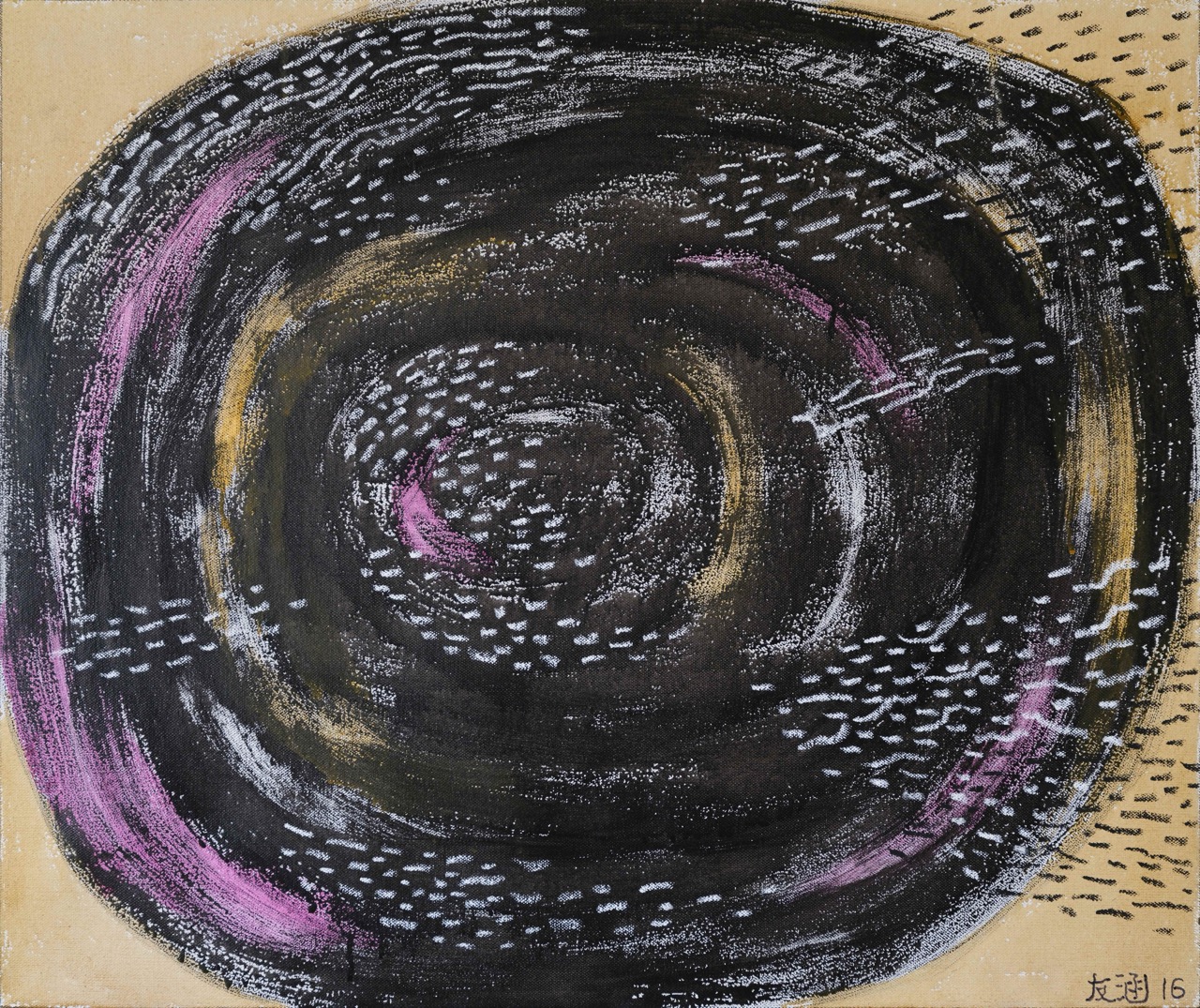
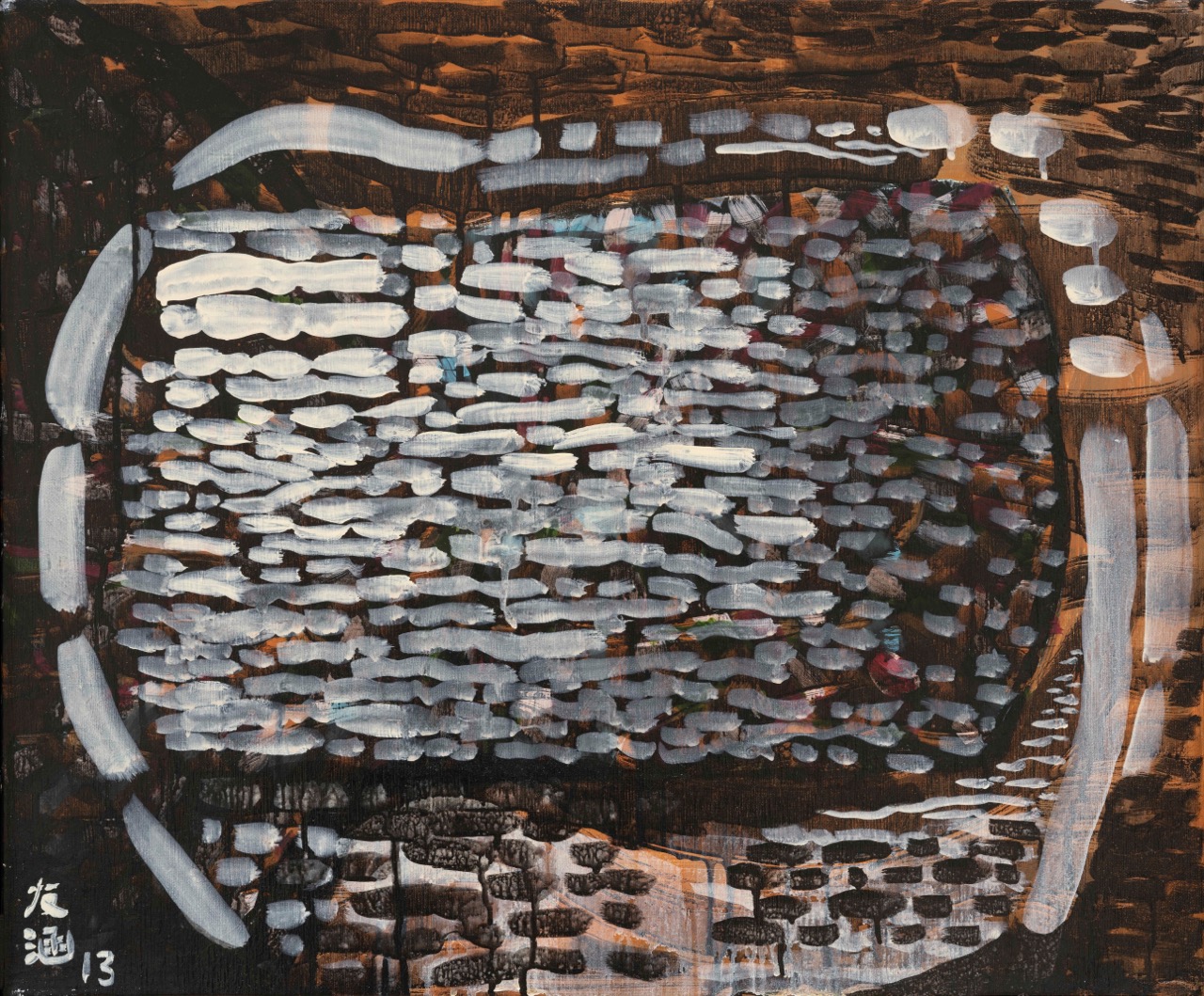
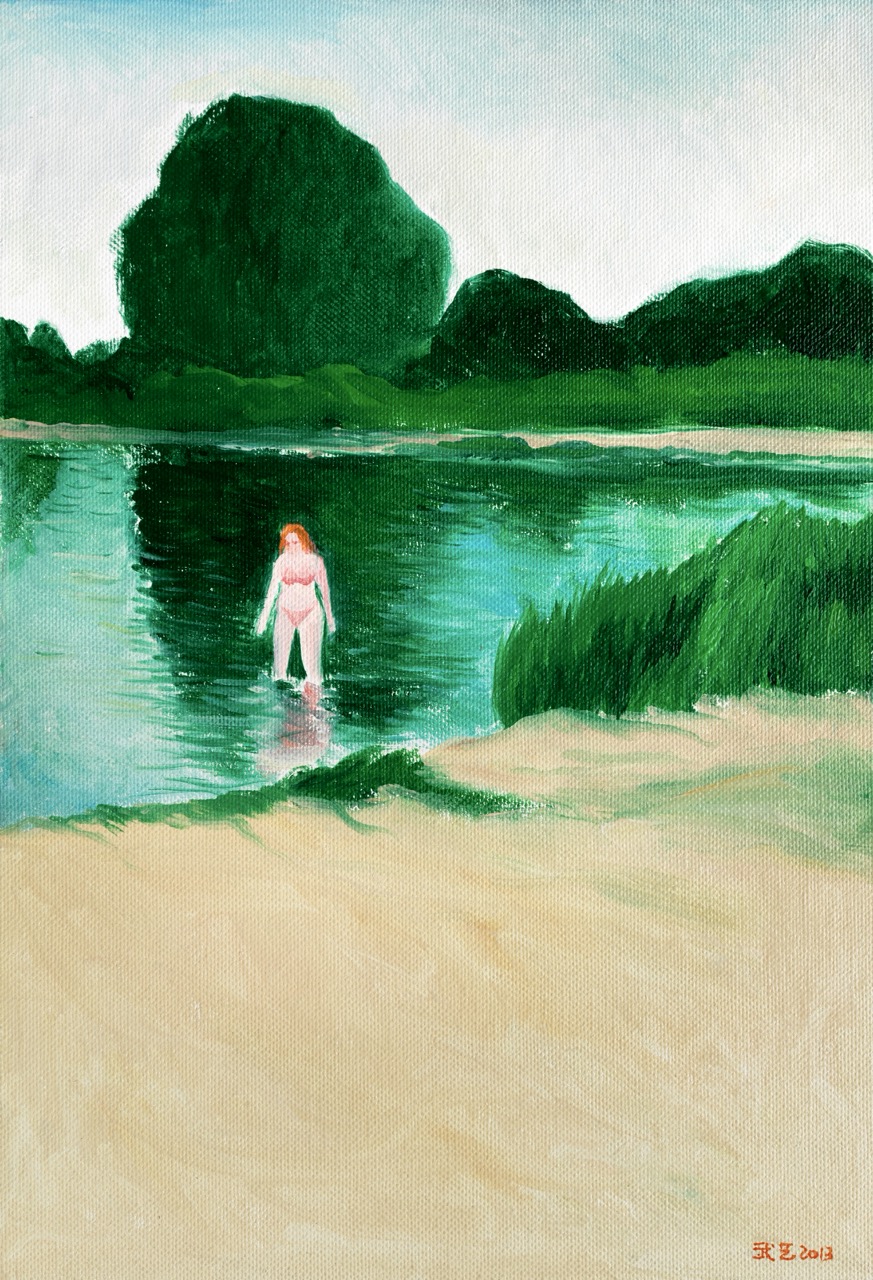
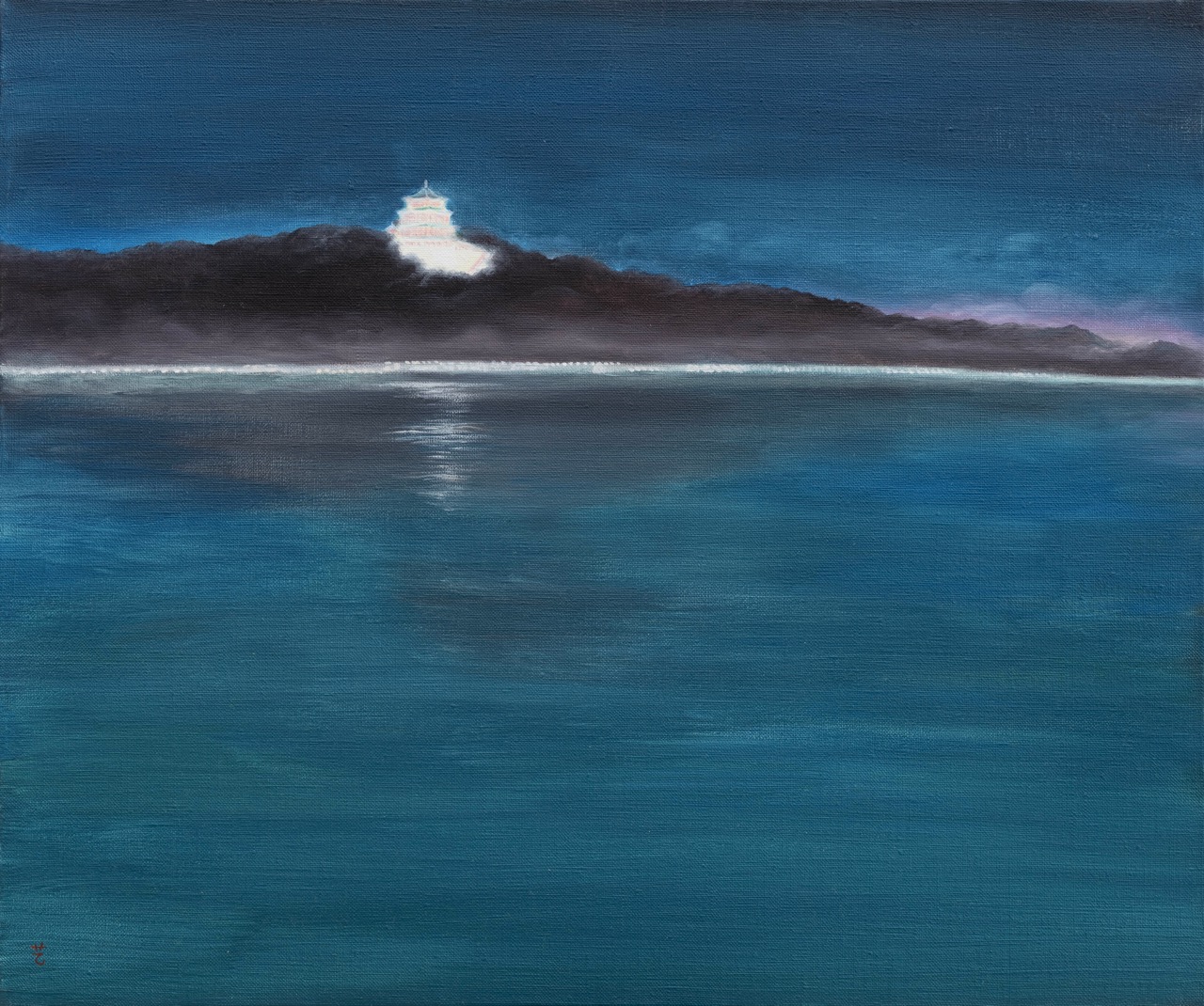
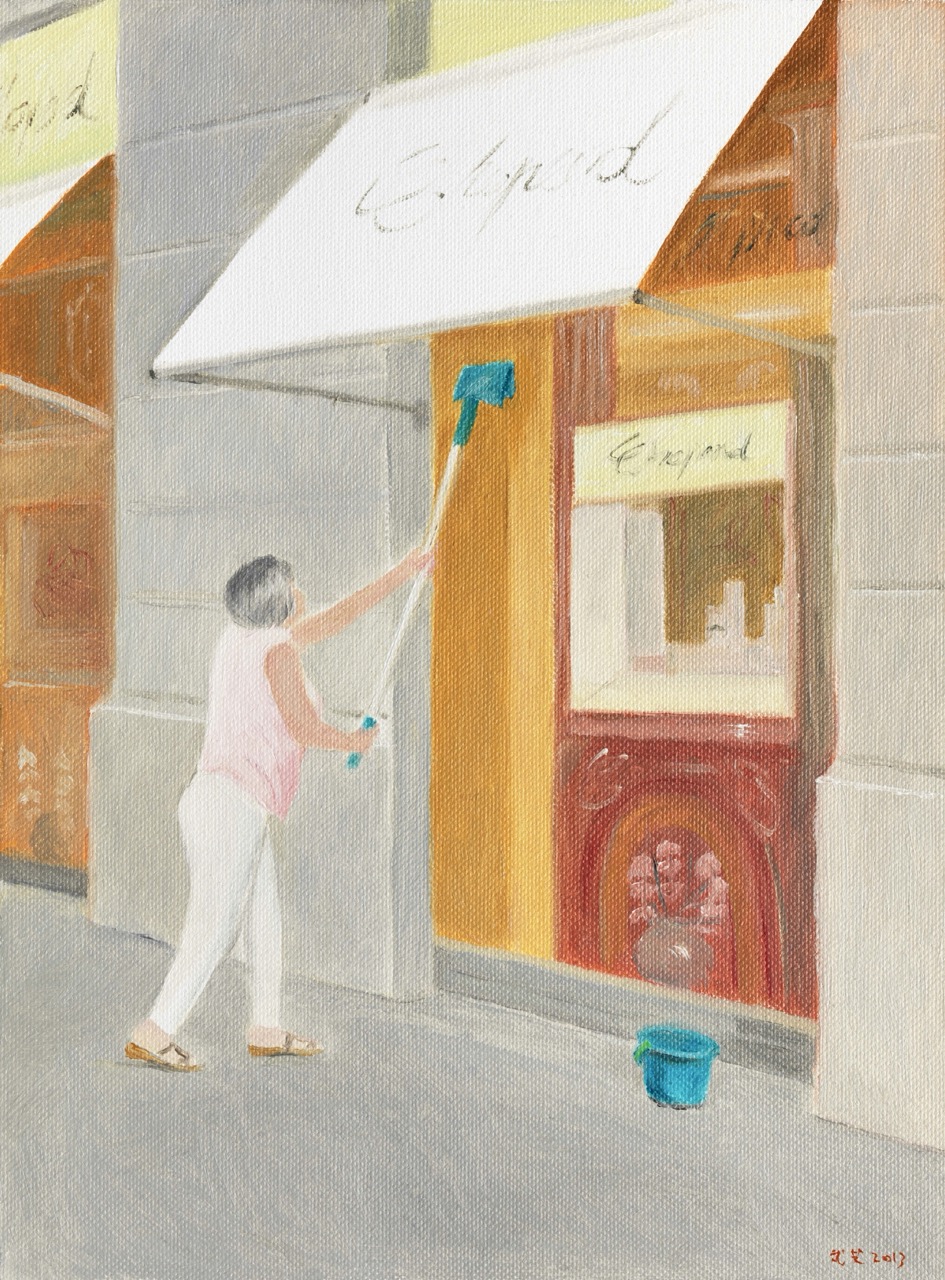
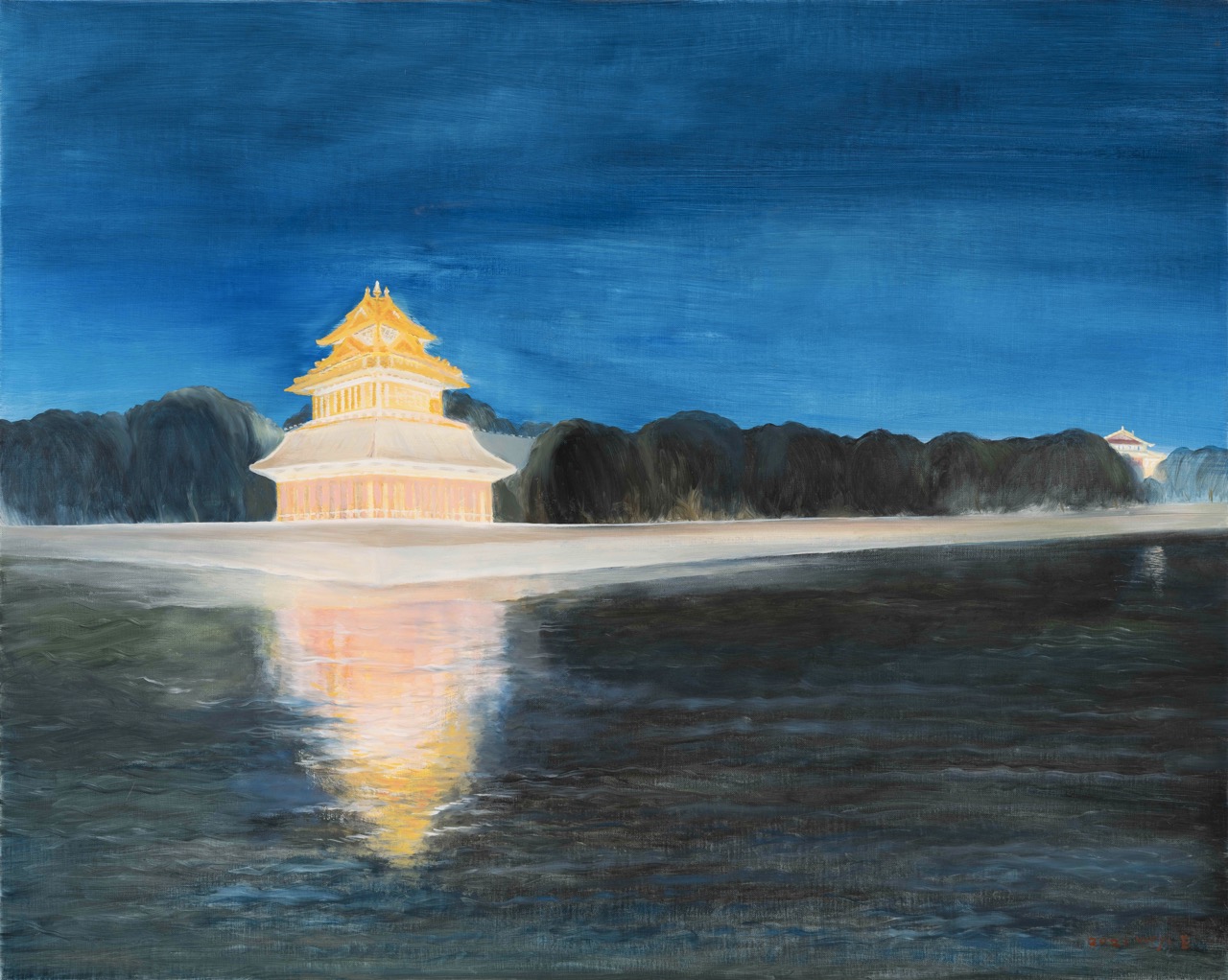
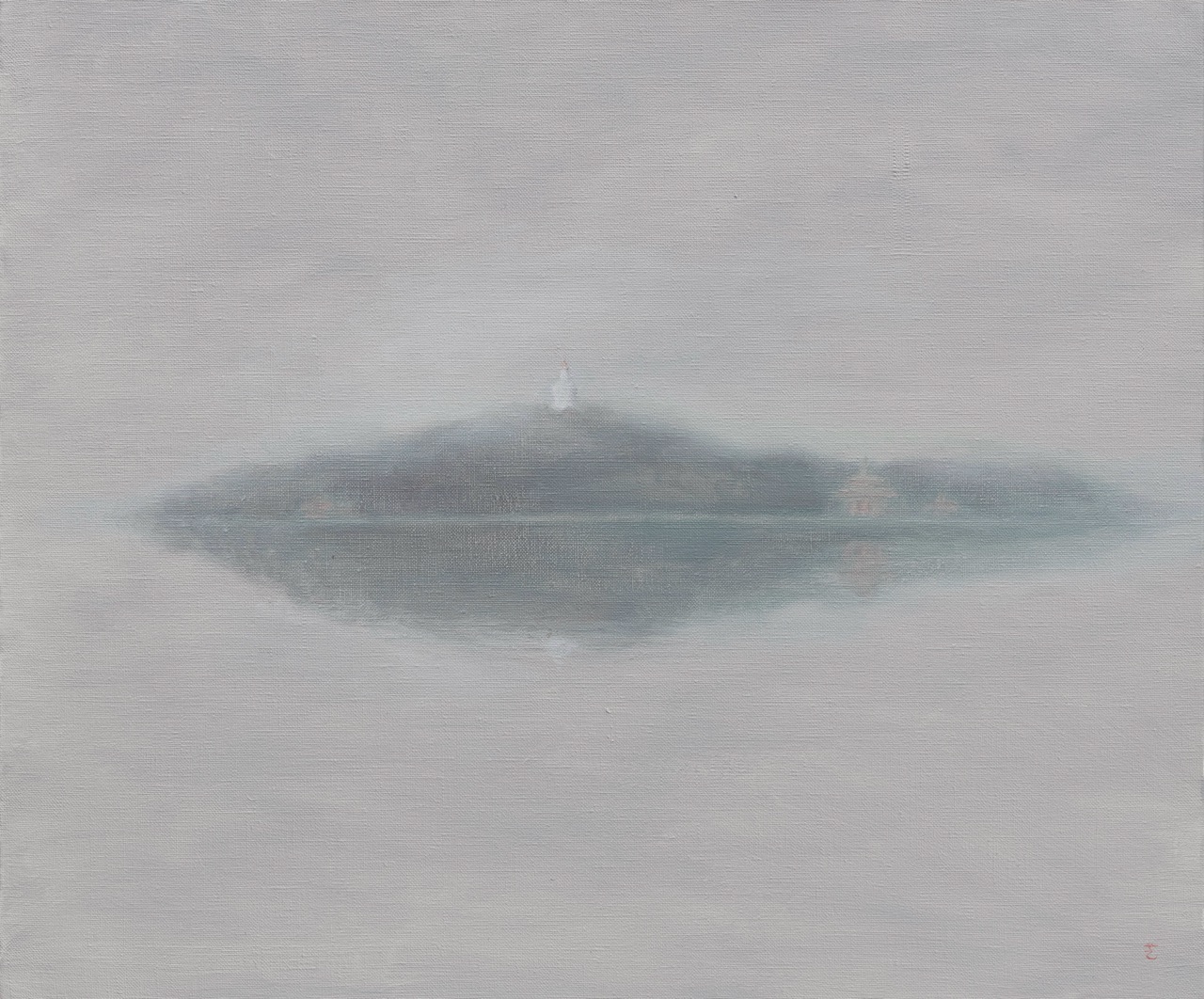
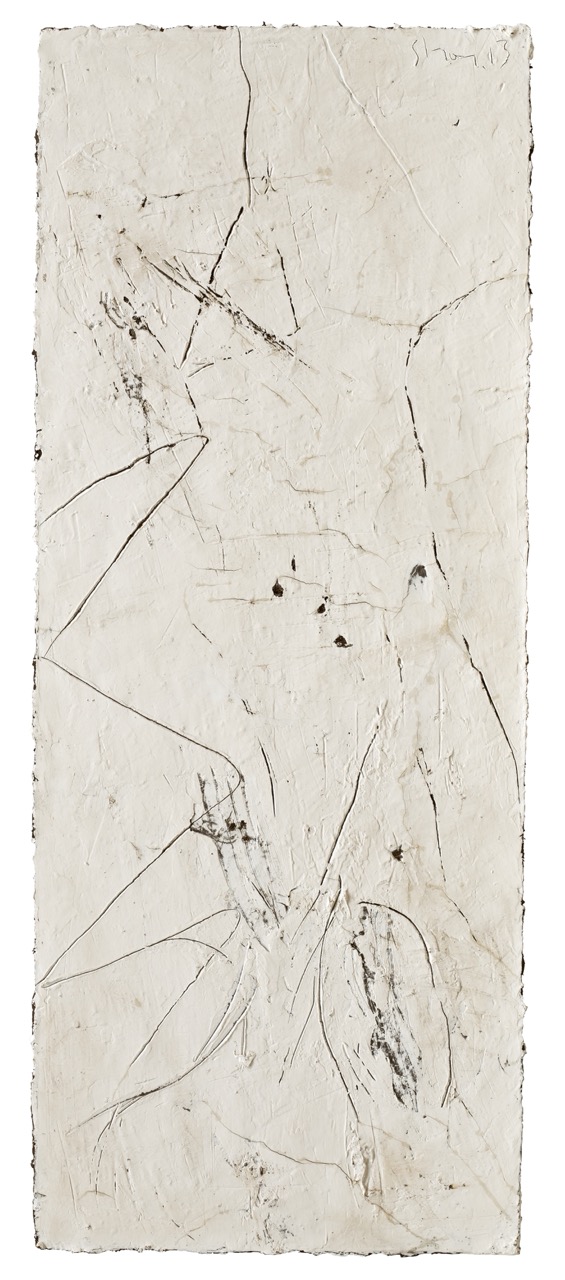
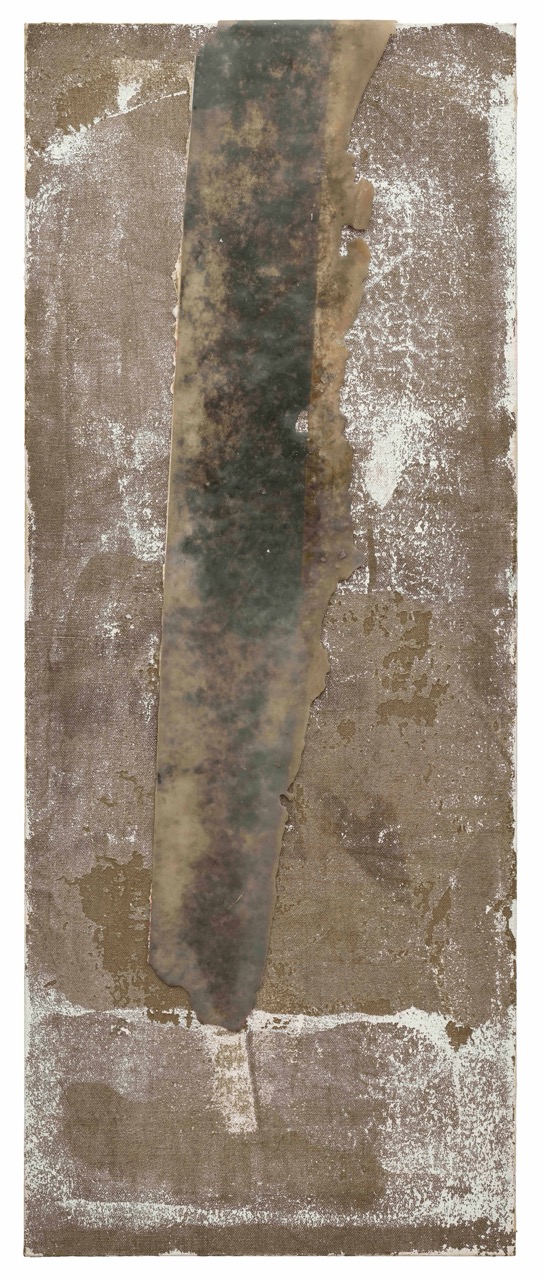
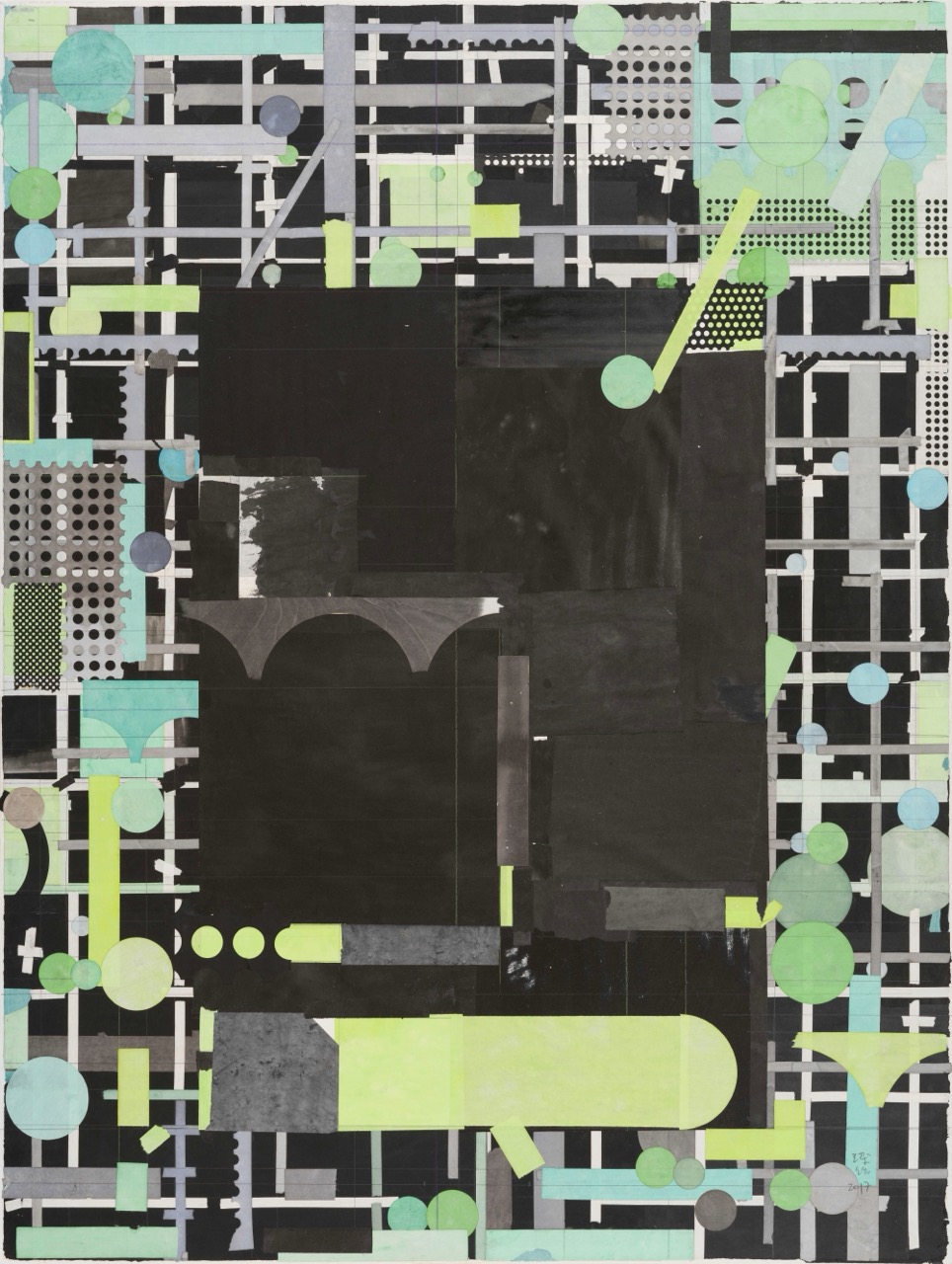
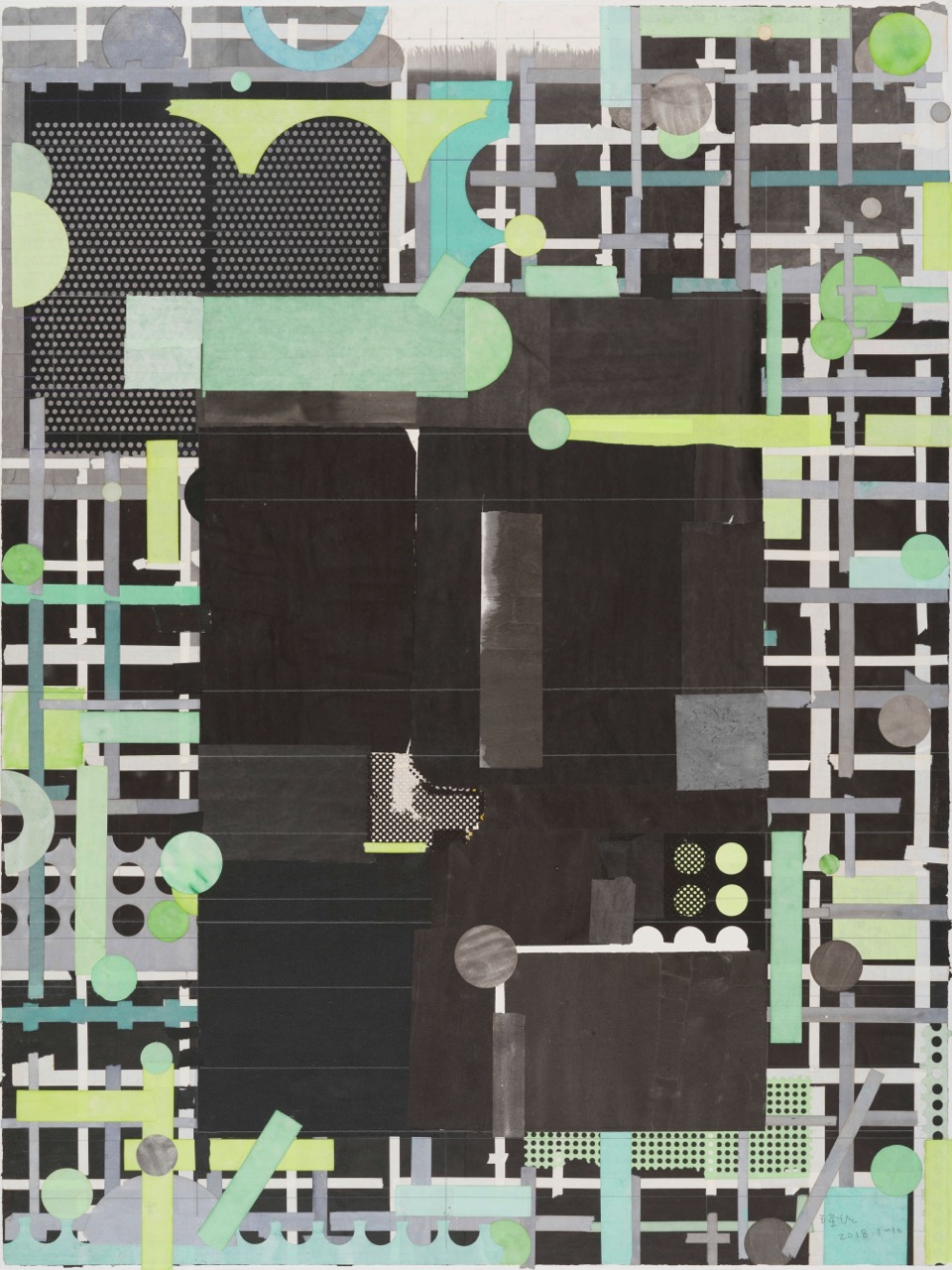
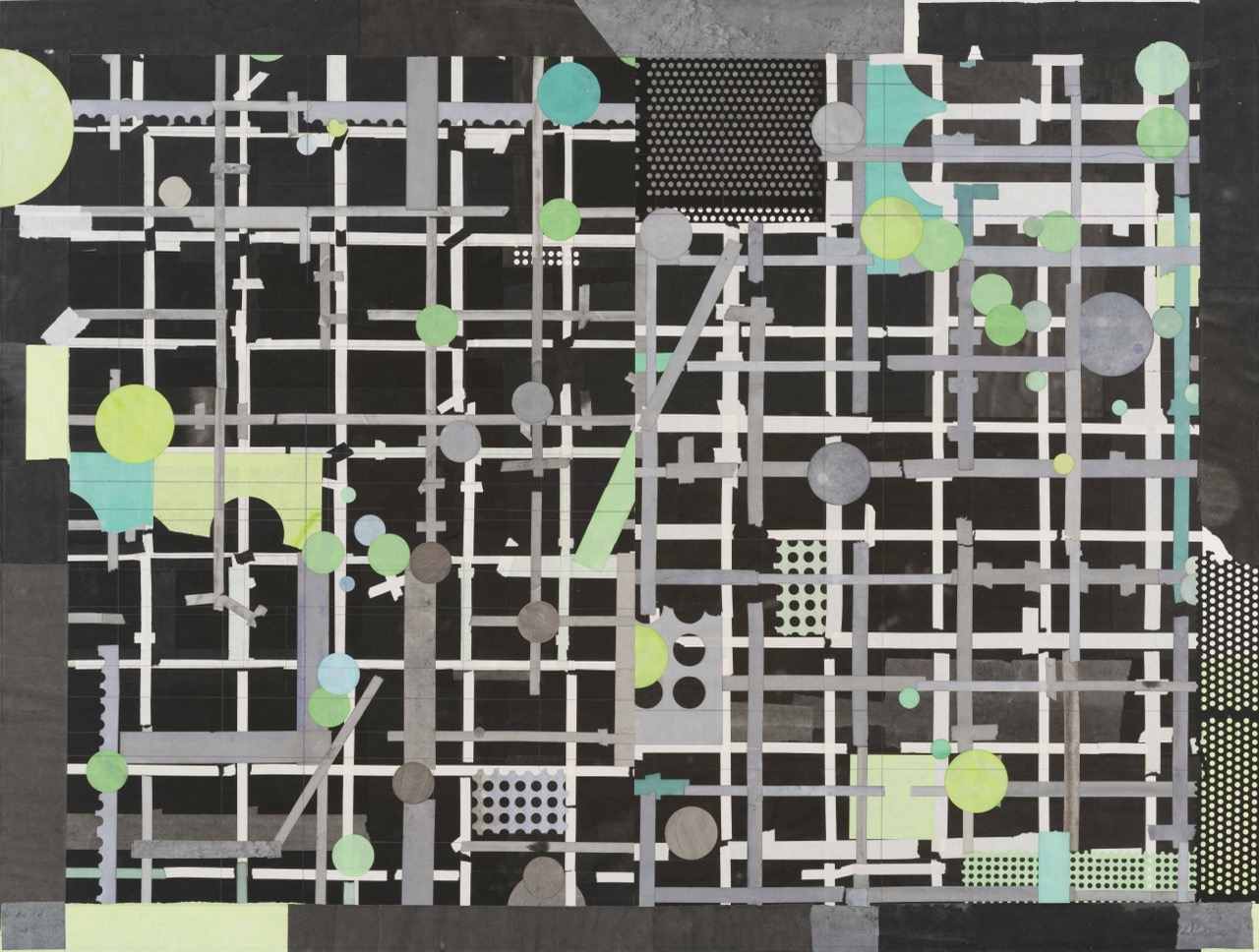
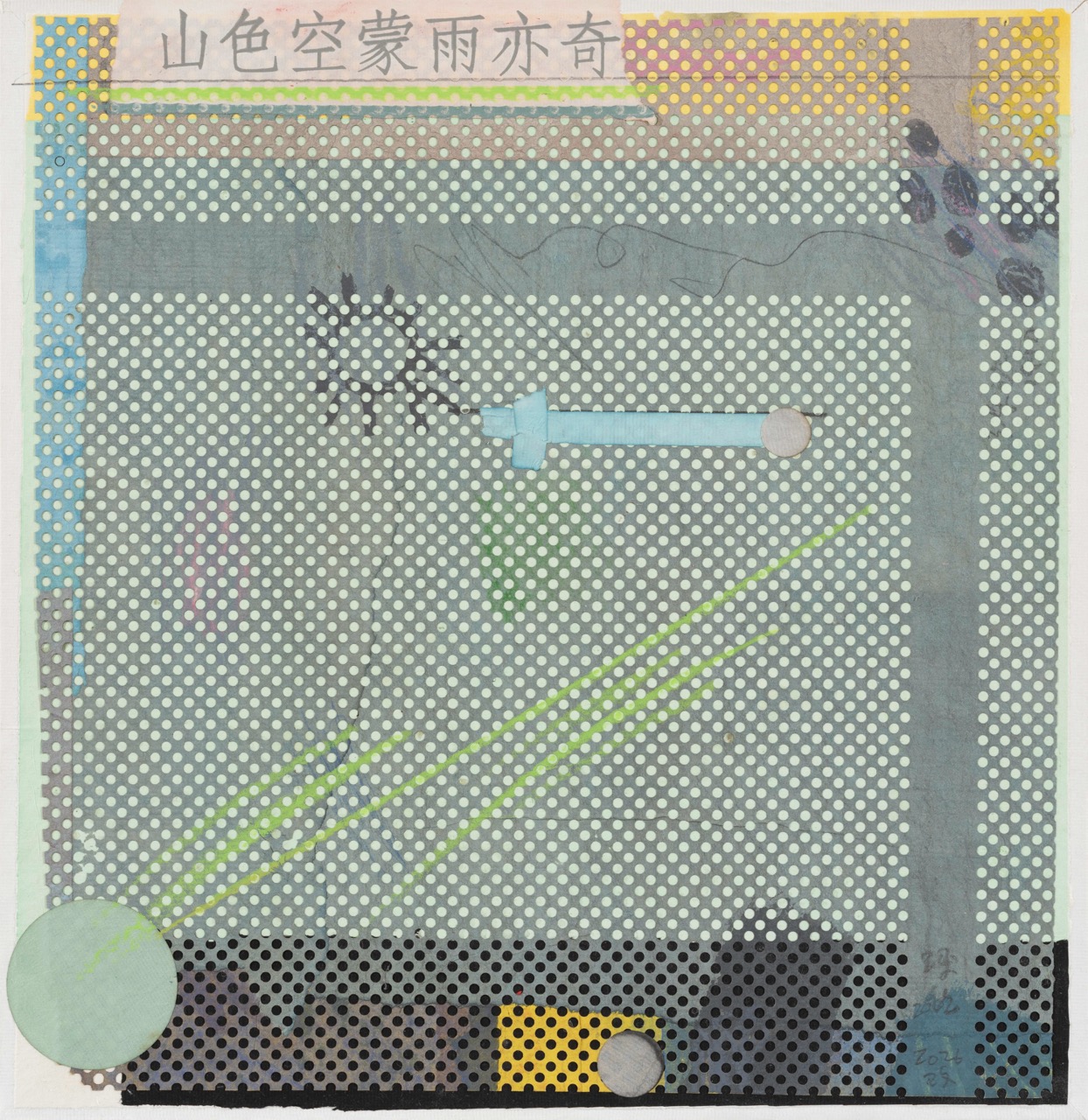
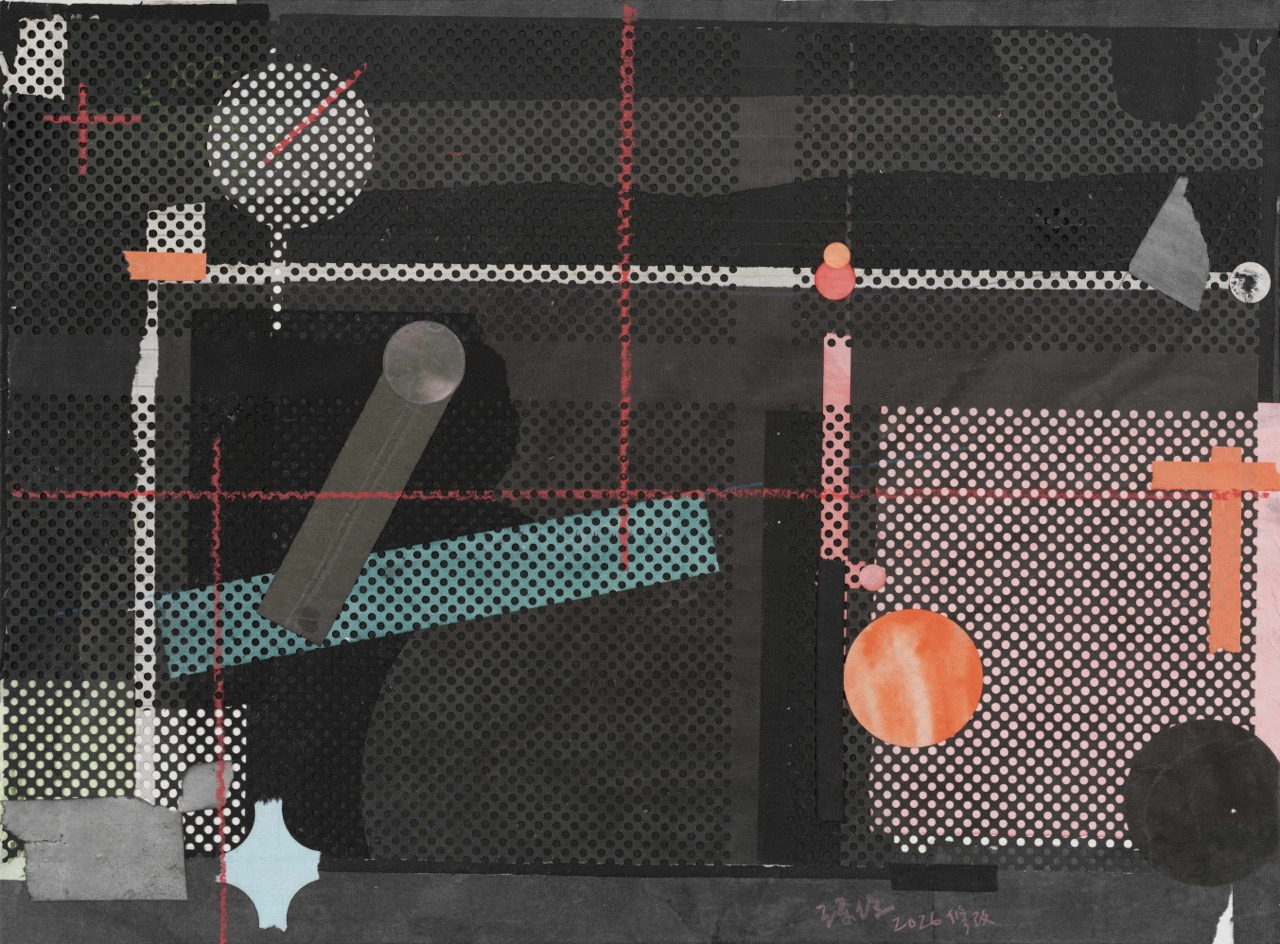
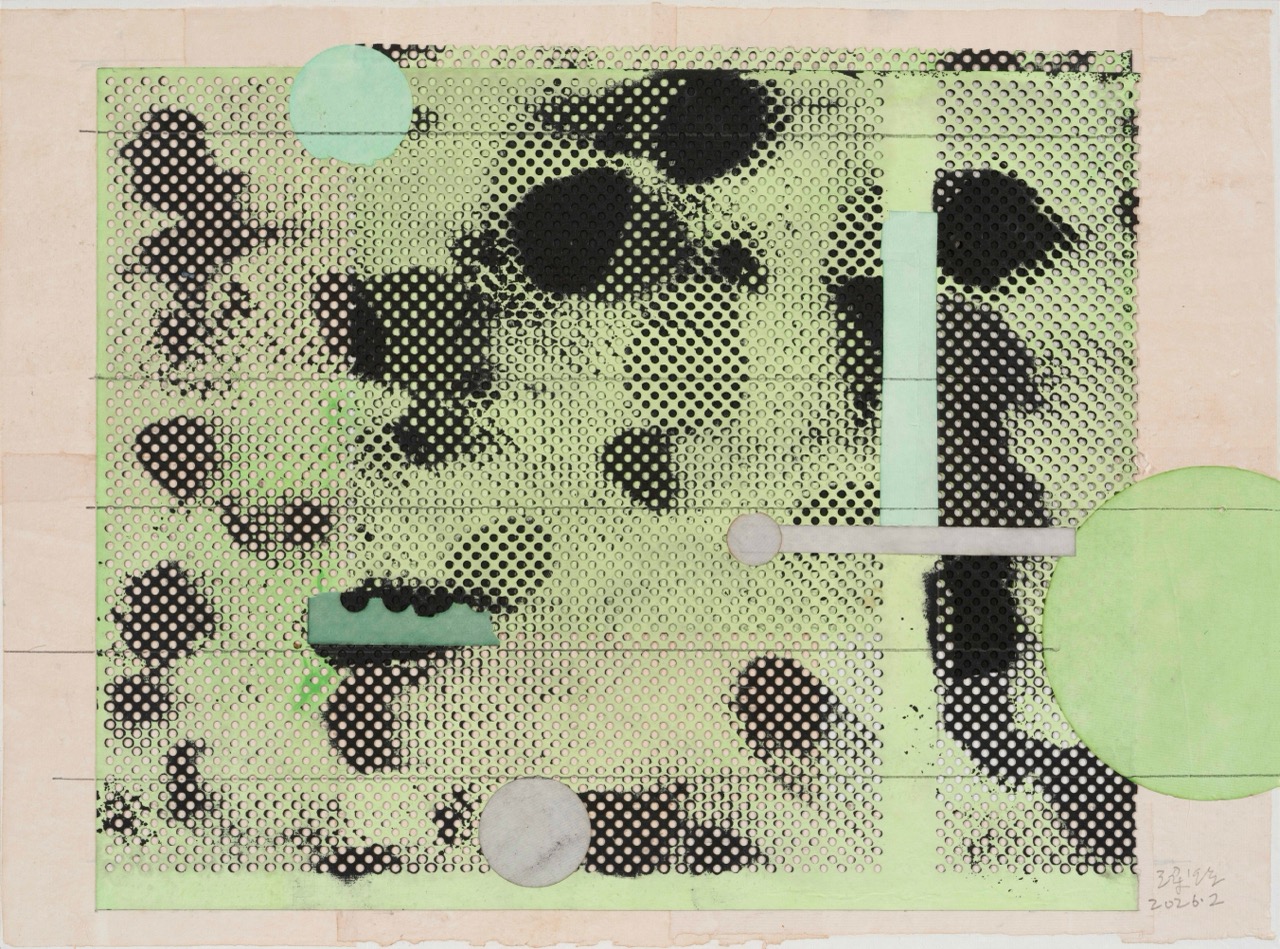
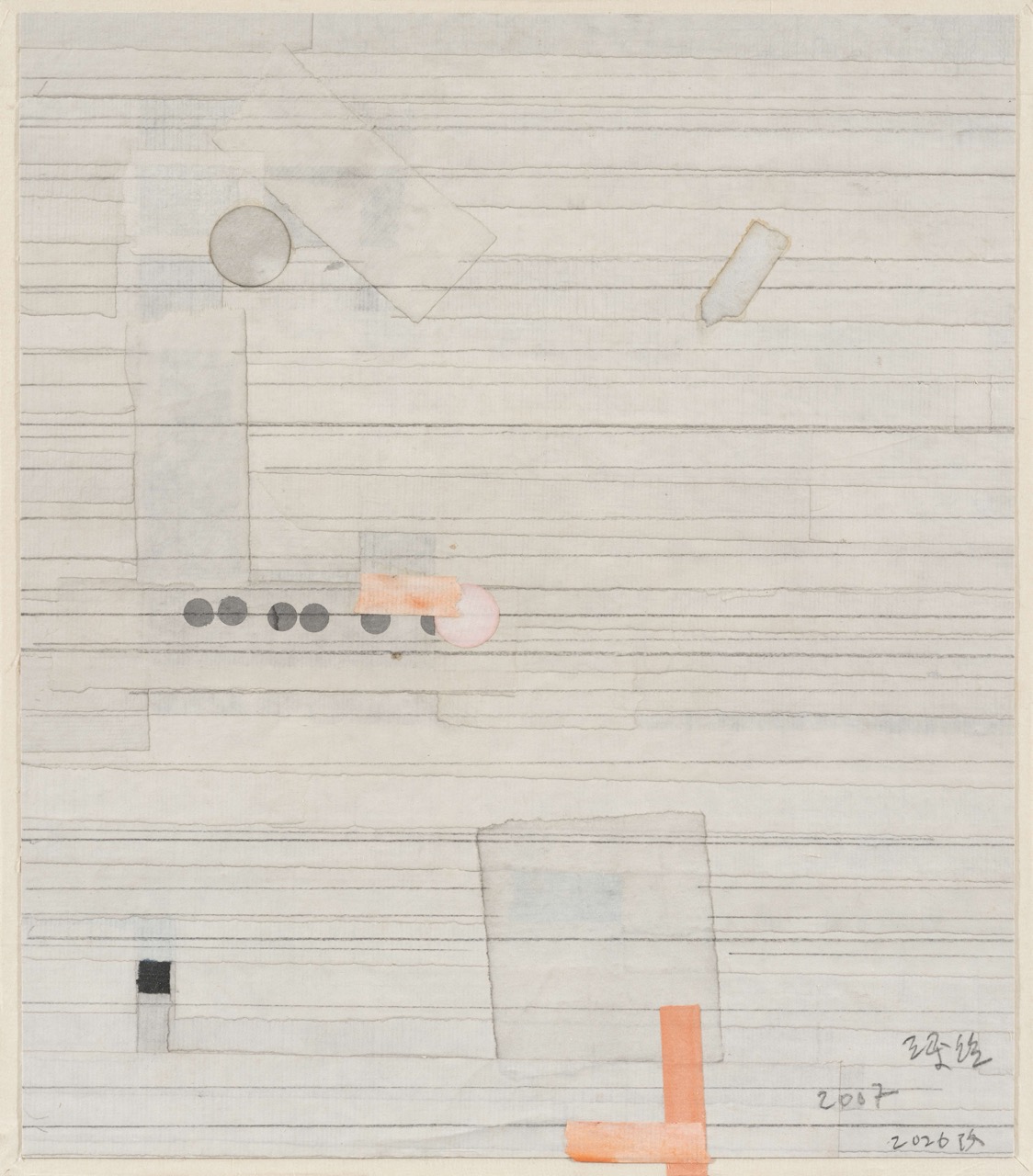
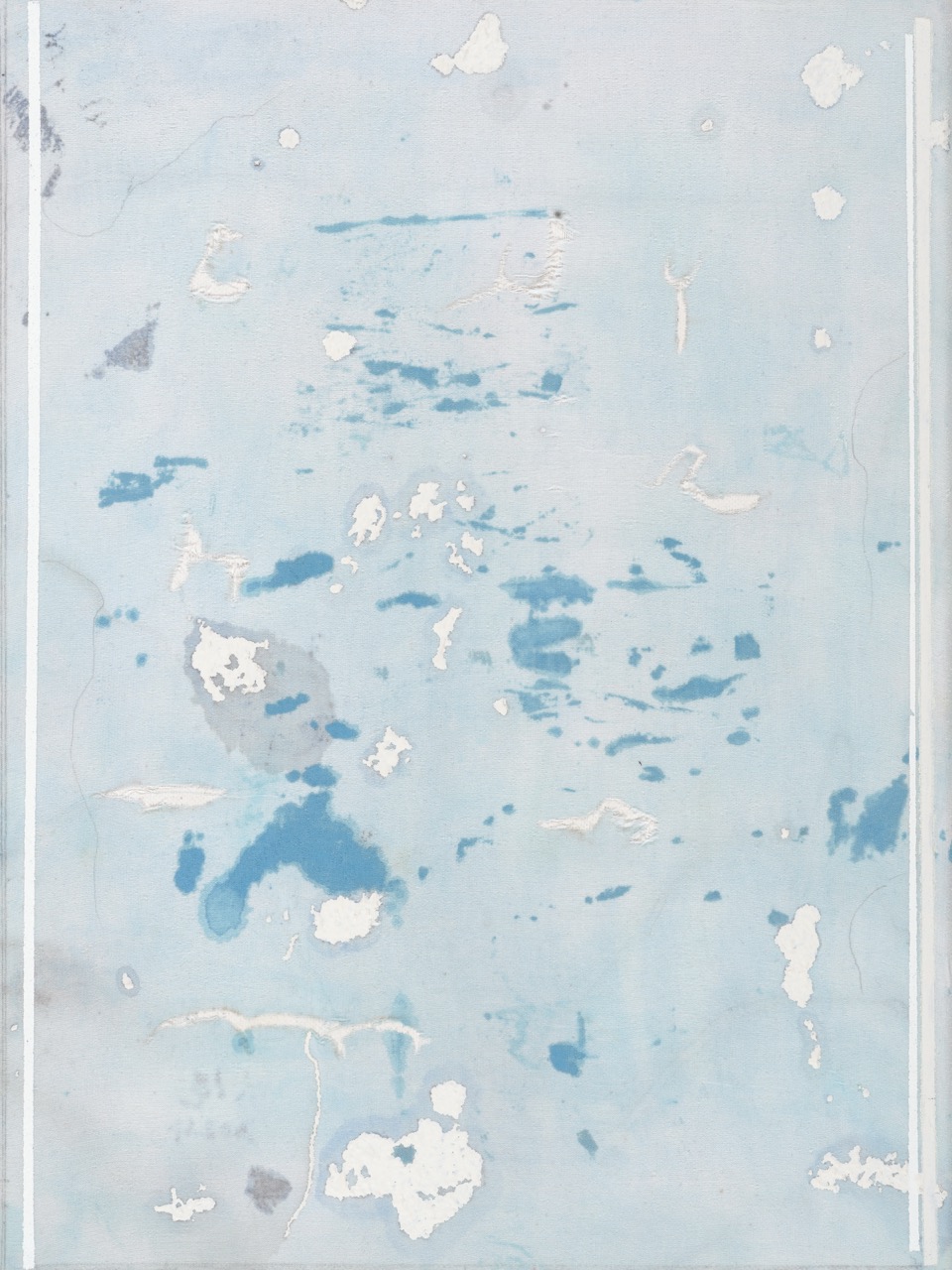
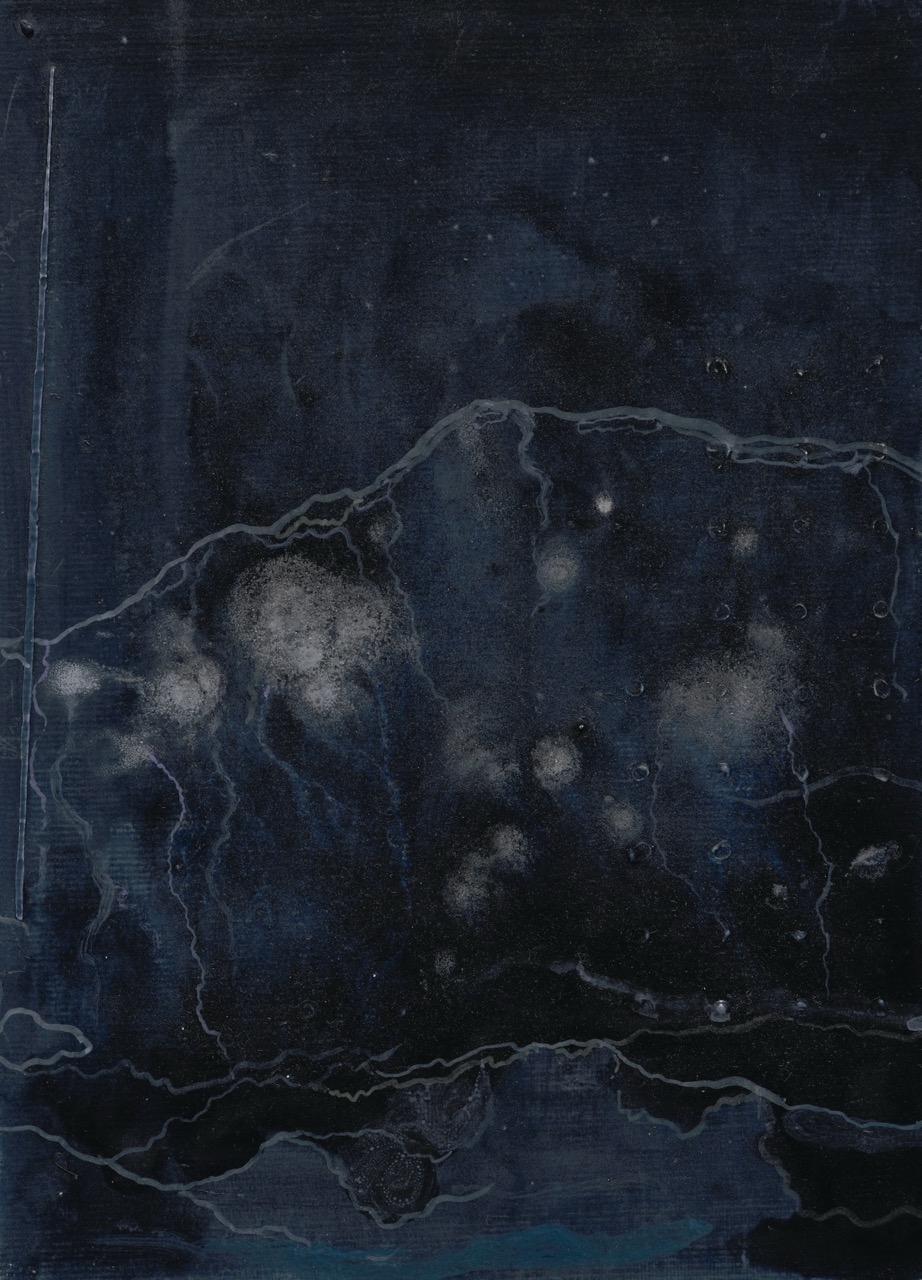
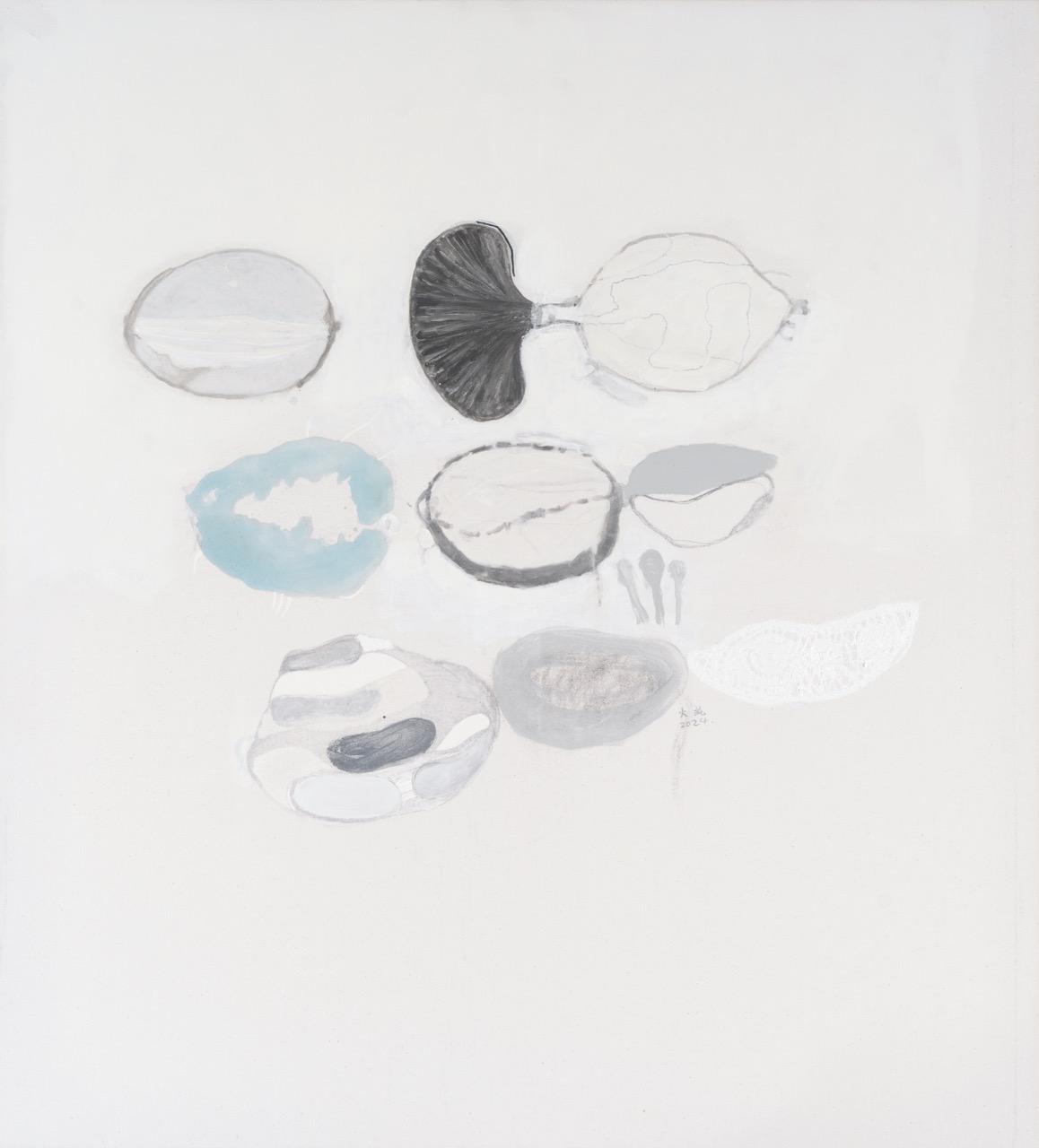
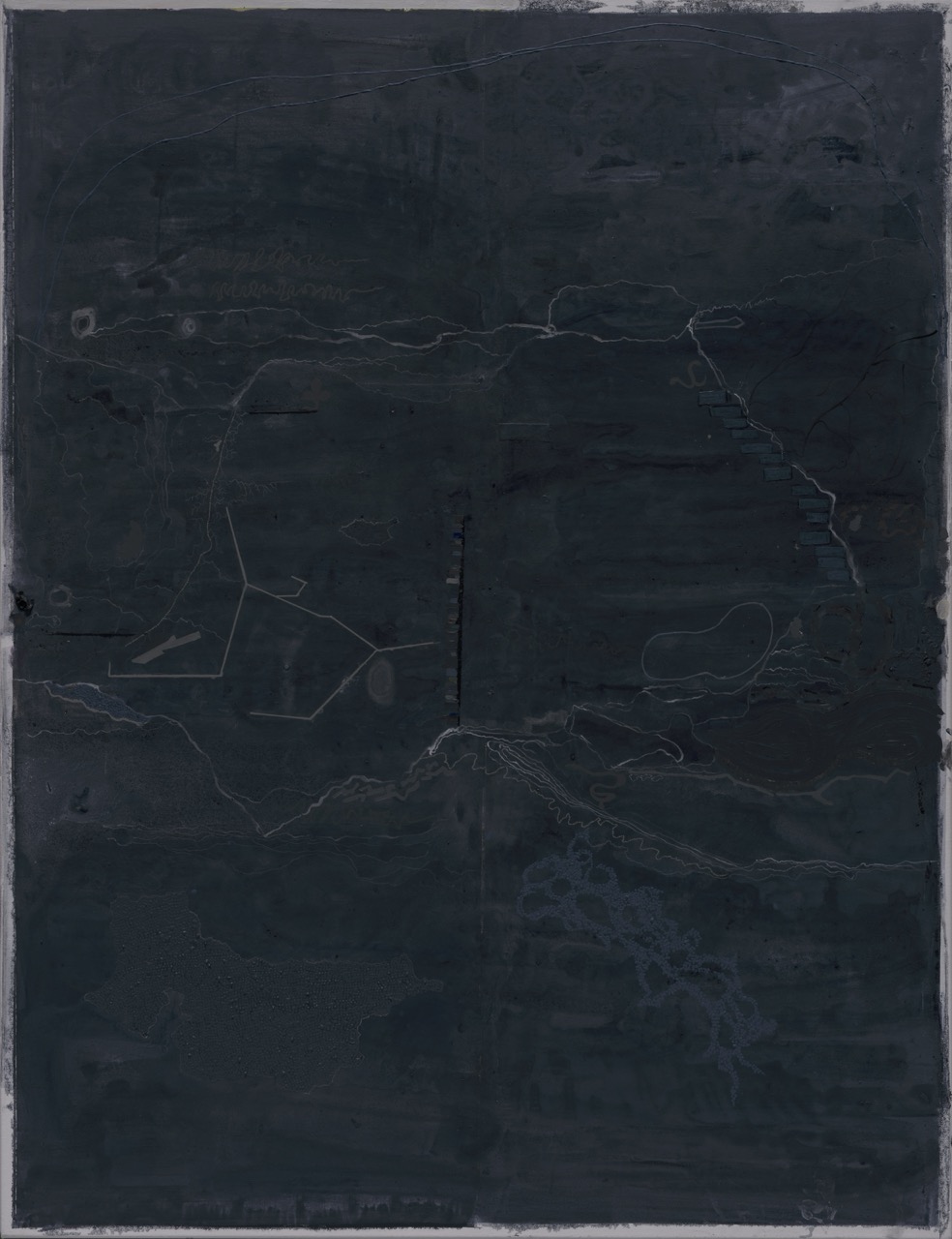
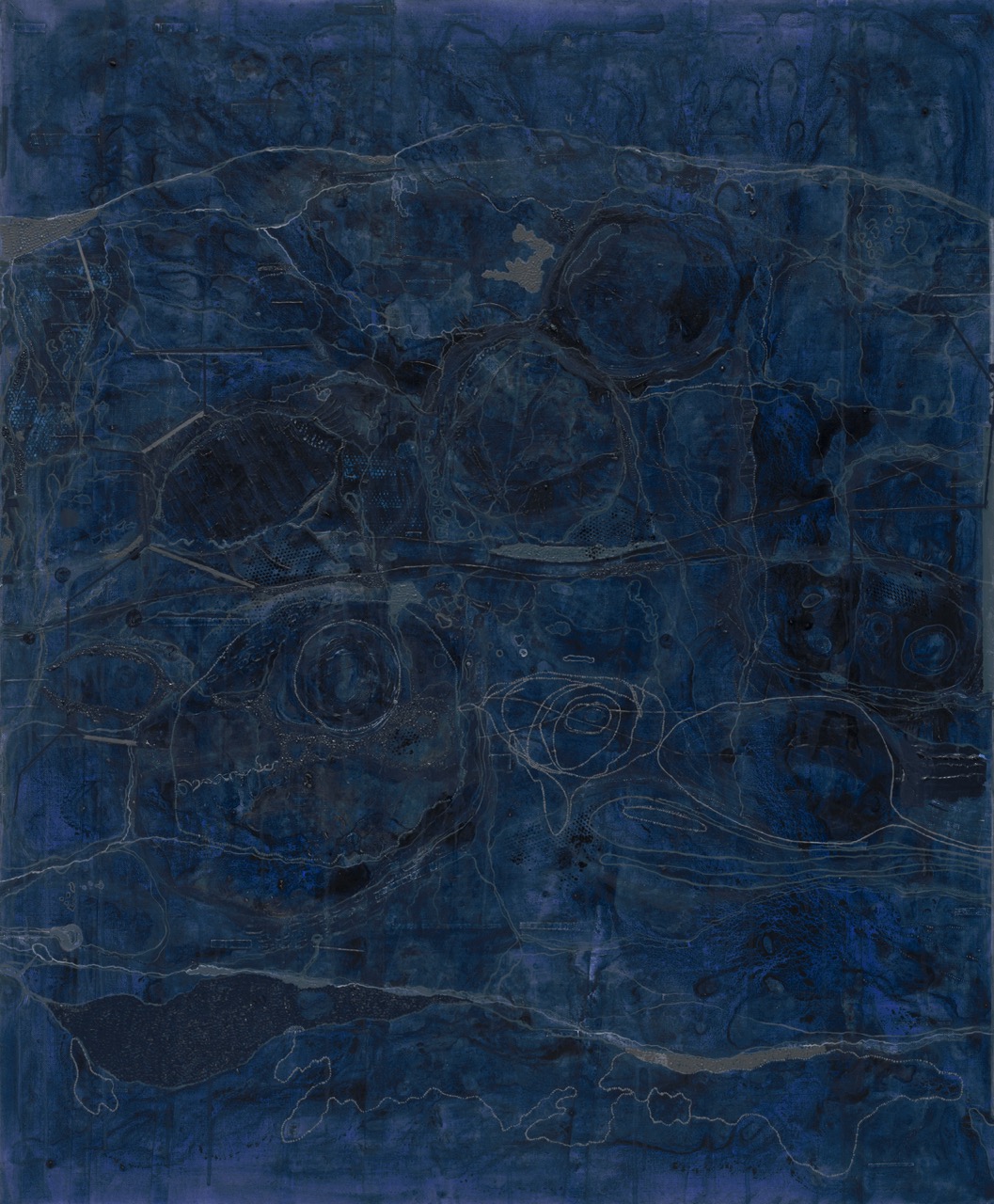
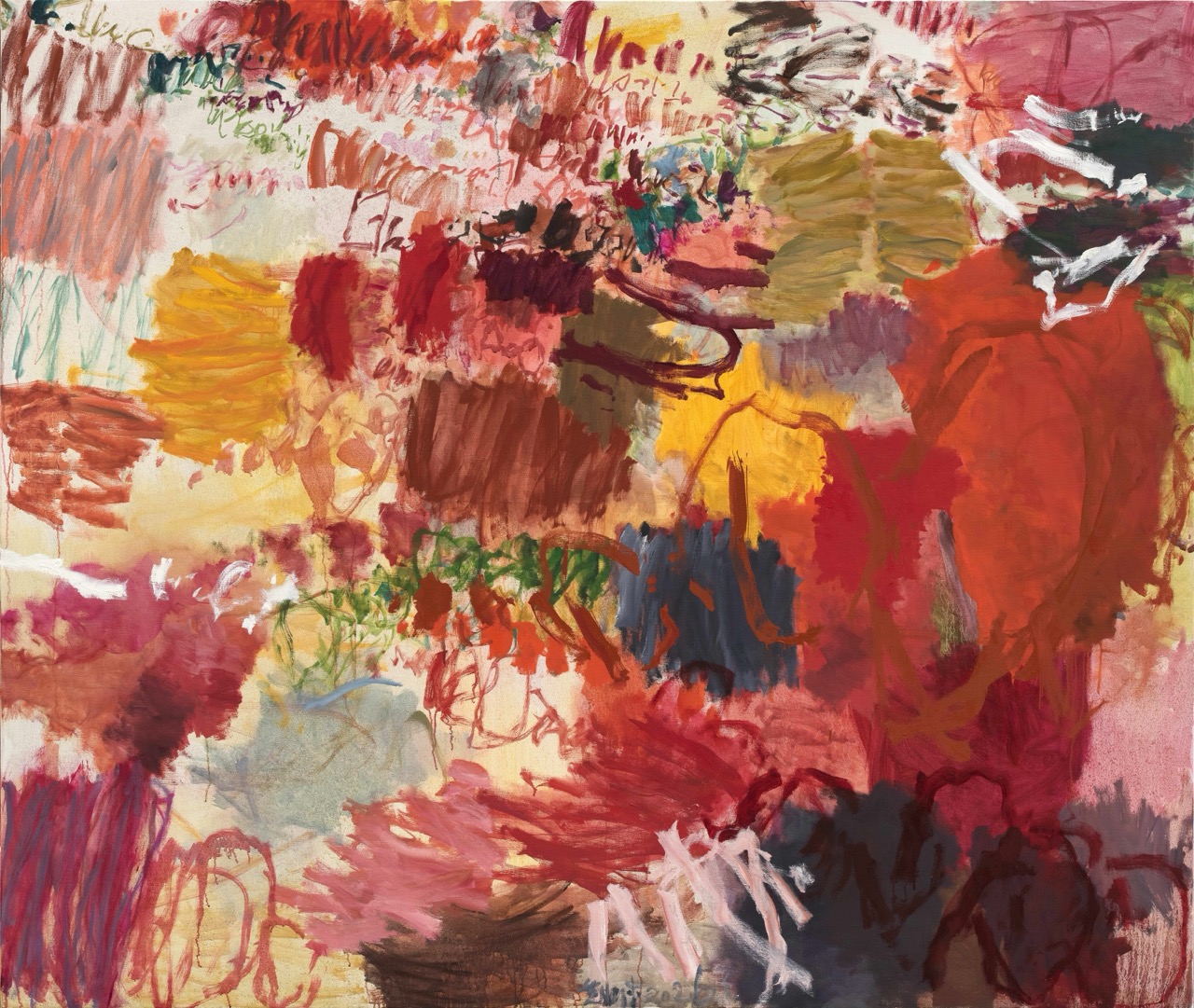
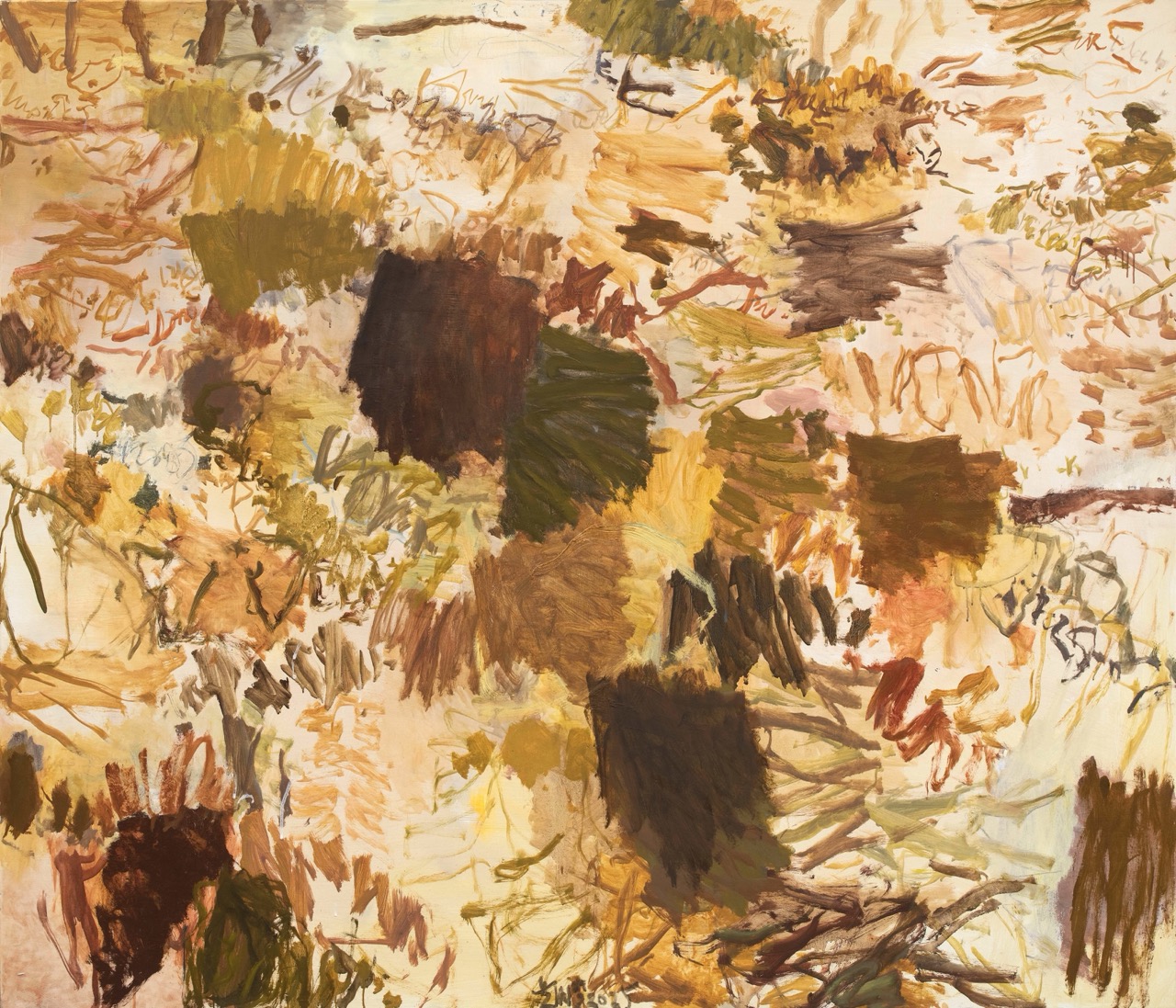
This autumn, AroundSpace Gallery proudly presents a group exhibition Coordinates and Constellations, showcasing outstanding works created by six artists over the past two decades. Their distinct creative languages and artistic styles bear witness to the tireless quest of two generations of Chinese artists as they navigate their practice between Modernism and their Eastern art legacy.
Born in the 1940s, Yu Youhan, Shang Yang, and Liang Quan are three pivotal figures in the history of Chinese contemporary art; many of their works are seminal masterpieces that are often considered as canons in contemporary art. They belong to a generation that lived through China’s modernization and the profound impact it had on thought and culture, they have witnessed the changing times and experienced the shock resulting from the collision between traditional culture and other cultures. They often harbor an innate sense of mission regarding the inheritance and creative transformation of tradition, while maintaining a deep concern for historical evolution and the nation's destiny. Through reflection on the past and bold experimentation, they continuously propel the development of Chinese contemporary art forward.
Yu Youhan’s styles evolved over an artistic career spanning more than half a century. He was among the first contemporary Chinese artists to explore and experiment with modern styles such as abstract art, Expressionism, and Pop Art, and was introduced in the Venice Biennale as early as 1993. He aspired to "combine the creative techniques of Western modern painting with deep Chinese national cultural traditions to showcase a new style of modern Chinese painting," seeing this as the "mission of the modern Chinese artist." Two abstract works on canvas featured in this exhibition—created in 2013 and 2016—stand as outstanding examples of his mature late-period style. Beyond his own experimentation and exploration, Yu also dedicated himself to education, nurturing a large number of talented young artists.
Shang Yang engages more proactively with the various issues that contemporary society faces, particularly the escalating degradation of the natural environment; he dispatches warnings through his art. Also, he posits that "if a work possesses a rich Eastern sensibility but lacks a contemporary spirit, how does it differ from the masterpieces of the past? Therefore, both aspects must be addressed." Thus, Shang describes his artistic pursuit as "contemporary, Chinese, and personal." Far from being simply appealing or kitschy, his oil paintings exude a sense of desolation, grandeur, and gravitas.
Liang Quan studied under Zao Wou-Ki in the 1980s and later pursued printmaking at the San Francisco Art Institute; these experiences significantly influenced his artistic practice. He explores the fusion of Eastern and Western art with a reserved passion and silent confidence. The six paper-based collage works featured in this exhibition adroitly embodies the core abstract art tenets using traditional Chinese art materials (rice paper and ink) and cultural references (tea), which demonstrate Liang’s ability to move across not just media but also aesthetic positions.
Unlike the older generation, who were deeply concerned with national mission and social responsibility, the three artists born in the 1960s, Huang Yuanqing, Wu Yi, and Ji Dachun, operate in a globalization era that offers them broader perspectives and a wider stage. They reflect on human society and technology advancement, information and media, as well as nature and the environment, while placing greater emphasis on the development and dignity of art itself.
Shanghai-based Huang Yuanqing and Beijing-based Wu Yi boldly appropriate and adapt the aesthetics, techniques, and materials of traditional Chinese art. In doing so, they offer brilliant, contemporary reinterpretations of the Eastern art and Modernism, creating a unique artistic language of their own. Huang Yuanqing masters in Chinese calligraphy and holds distinctive views on the concept that "calligraphy and painting share the same origin." His abstract acrylic works on canvas are defined by line-work complemented by a sumptuous palette; through layering of diverse textures and hues, they evoke the rhythmic complexity of a symphony. Wu Yi’s art transcends the boundaries between East and West, as well as the ancient and the contemporary. He draws effortlessly from a wide range of subjects, from the forms and colors of Dunhuang’s apsaras (flying celestials) to European cityscapes and architecture, incorporating them seamlessly into his work. Masterful across various media including ink and acrylic, oil painting, and sculpture he has elevated his personal artistic language to a realm of perfection.
Ji Dachun participated in the Venice Biennale in 2015 and has spent recent years living in Berlin. Inspired and guided by the glory of Western art masters, Ji’s paintings such as Gazing at Mont Sainte-Victoire and The Other Side of Mont Sainte-Victoire clearly pay homage to the Post-Impressionist artist Cézanne, reflecting an aspiration to emulate such greatness. His recent work shifts smoothly between Eastern and Western art, abstraction and figuration, and tradition and contemporary; yet, what remains constant is the artist’s boundless imagination—transcending the boundaries between self and object—and his consummate mastery of form.
The six artists featured in this exhibition are pioneers and trailblazers in the modernization of Chinese art; they bridge the past and present, forward with unwavering determination, and tirelessly seek to define the coordinates and standing of Chinese contemporary art in the global art universe. Their works are like morning stars in the contemporary art constellation, radiant and indelible.

