Klaas Gubbels: A Departure from Modern
Date: May 30th to Jul 30th
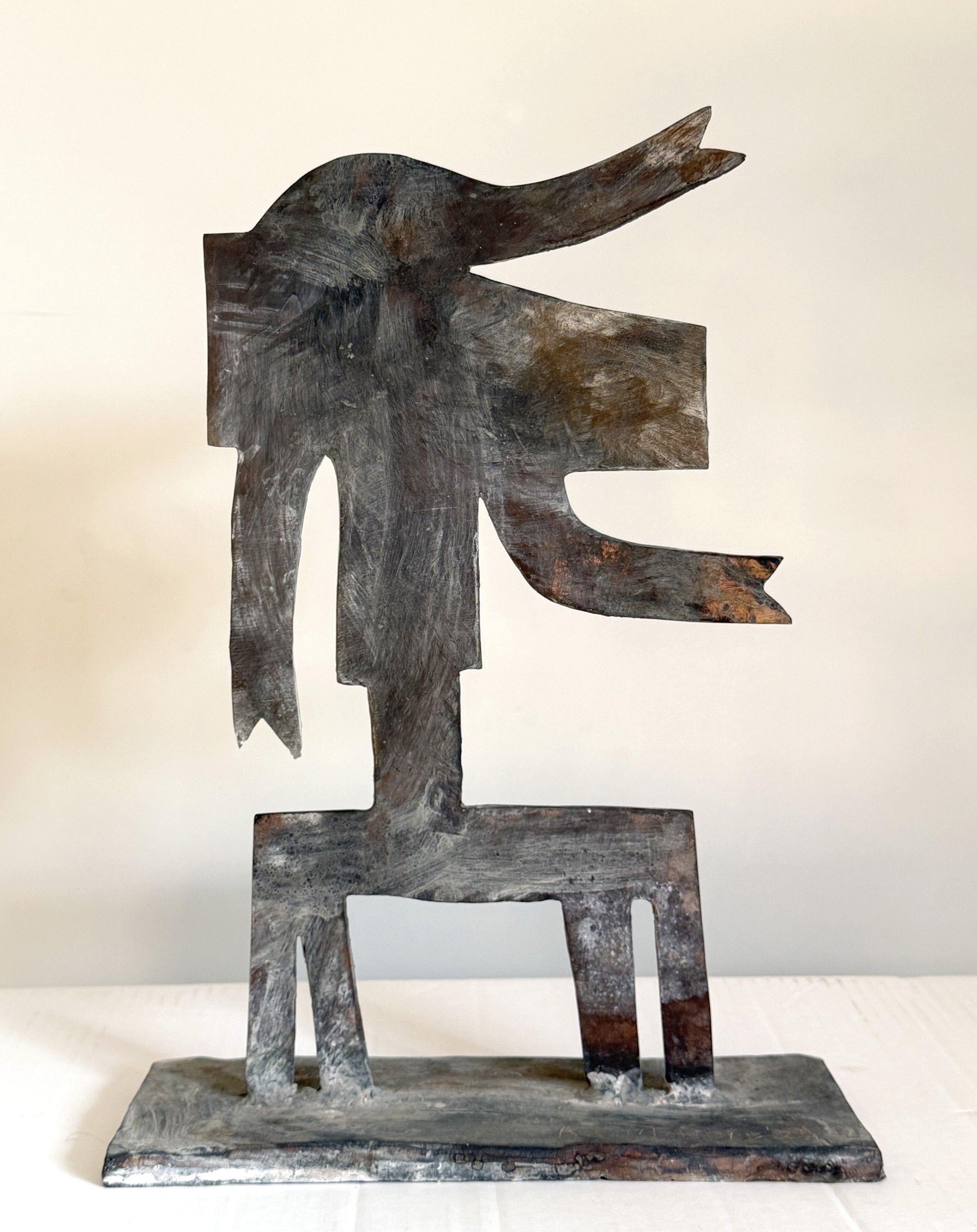
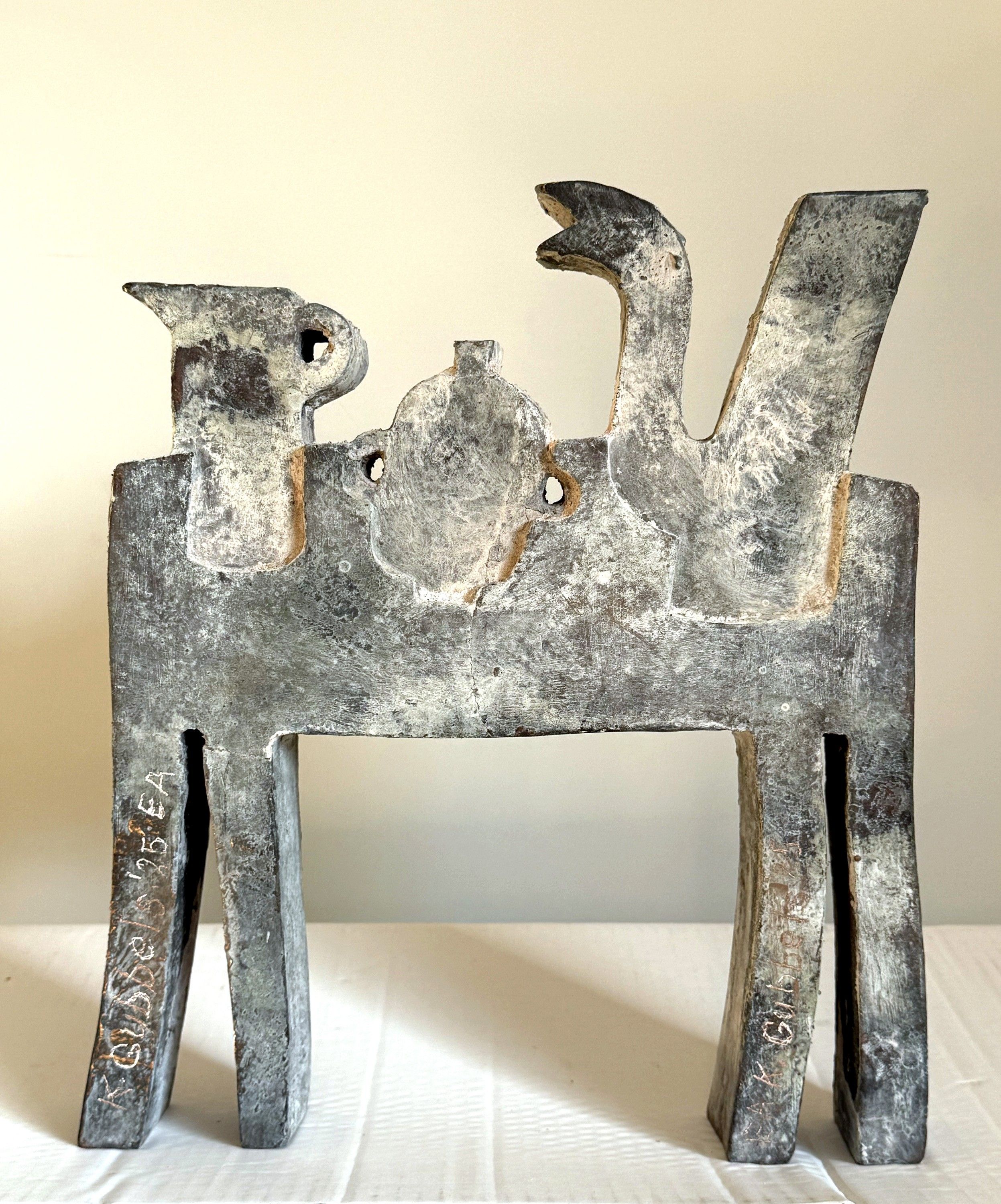
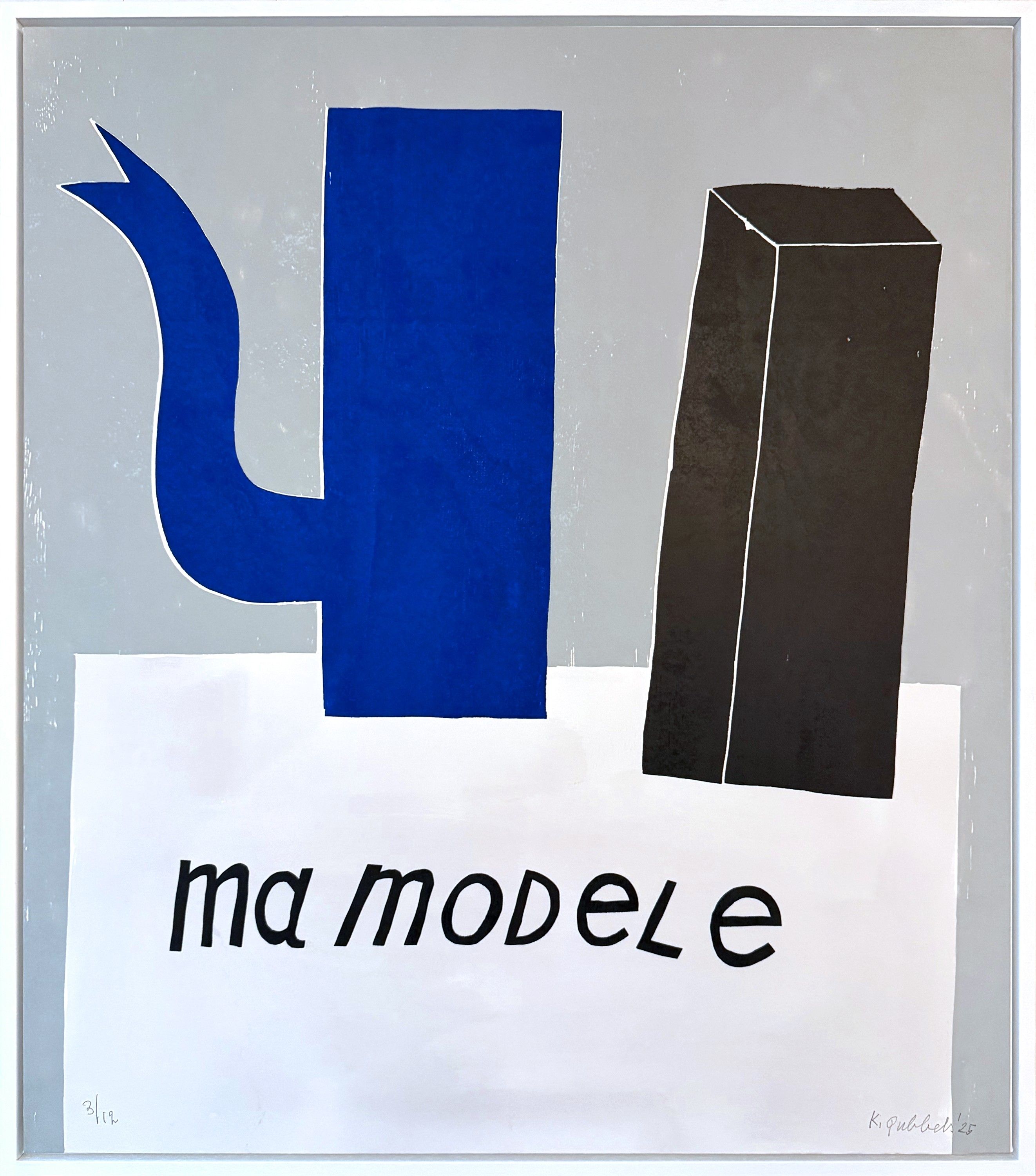
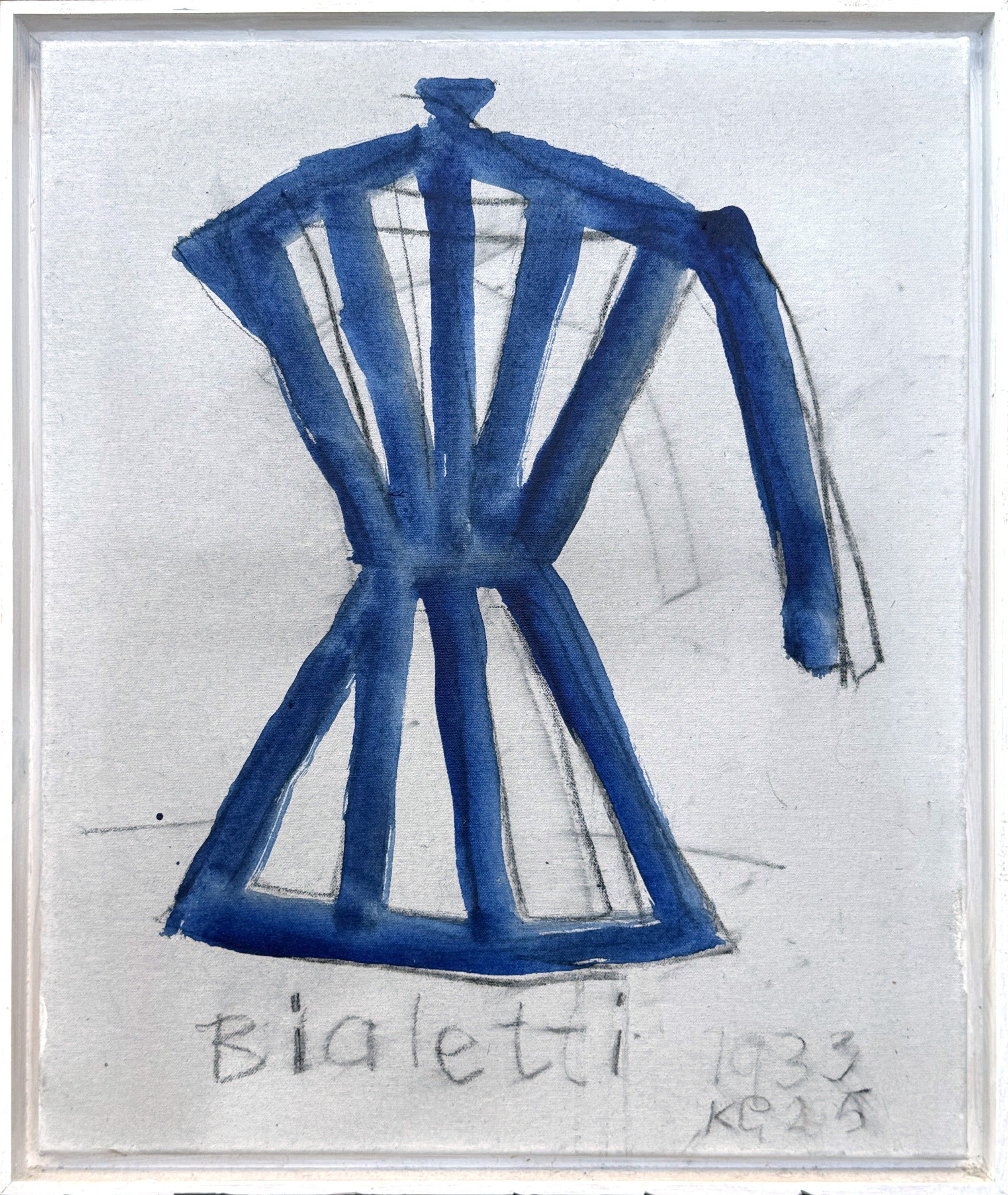
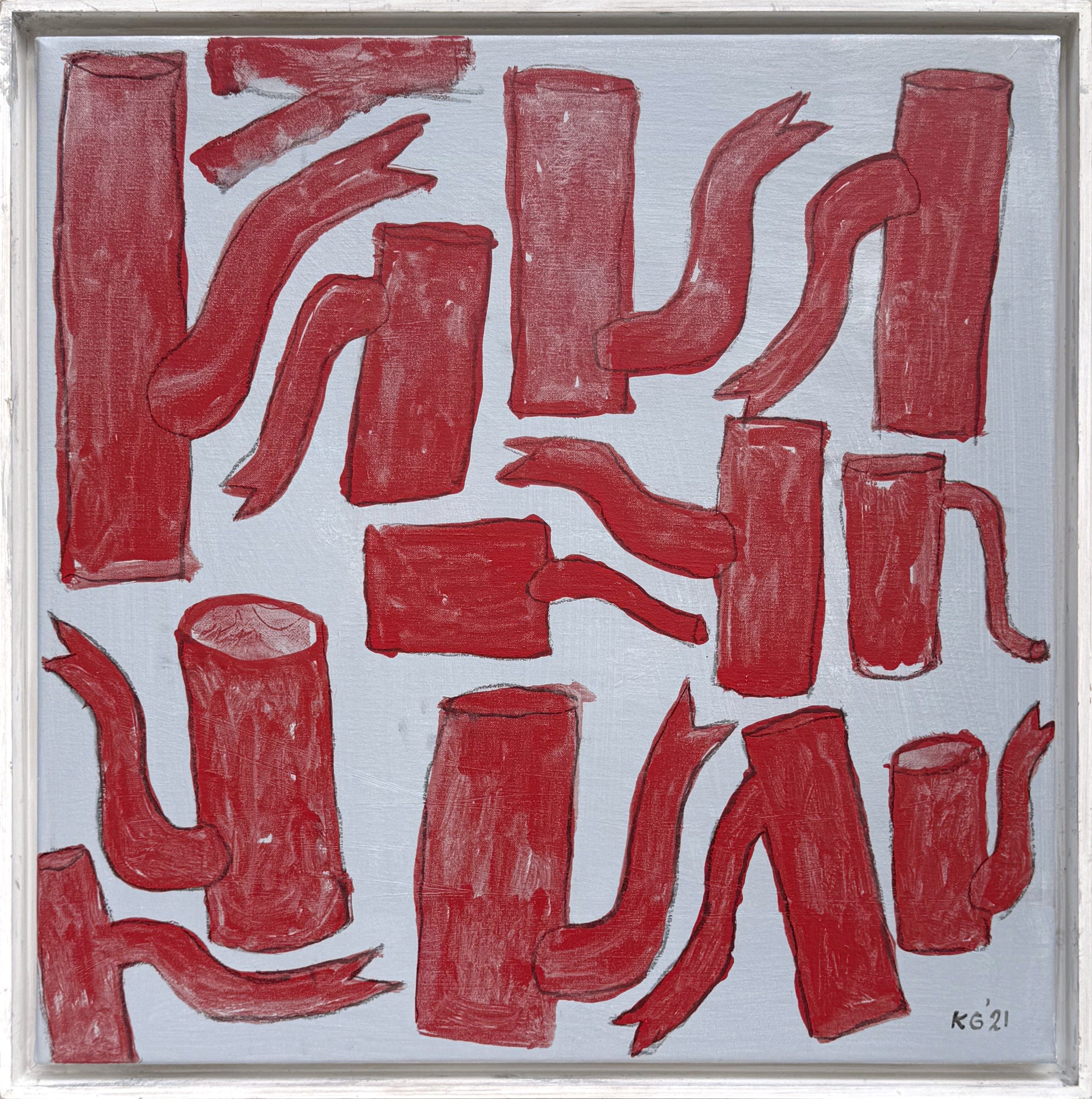
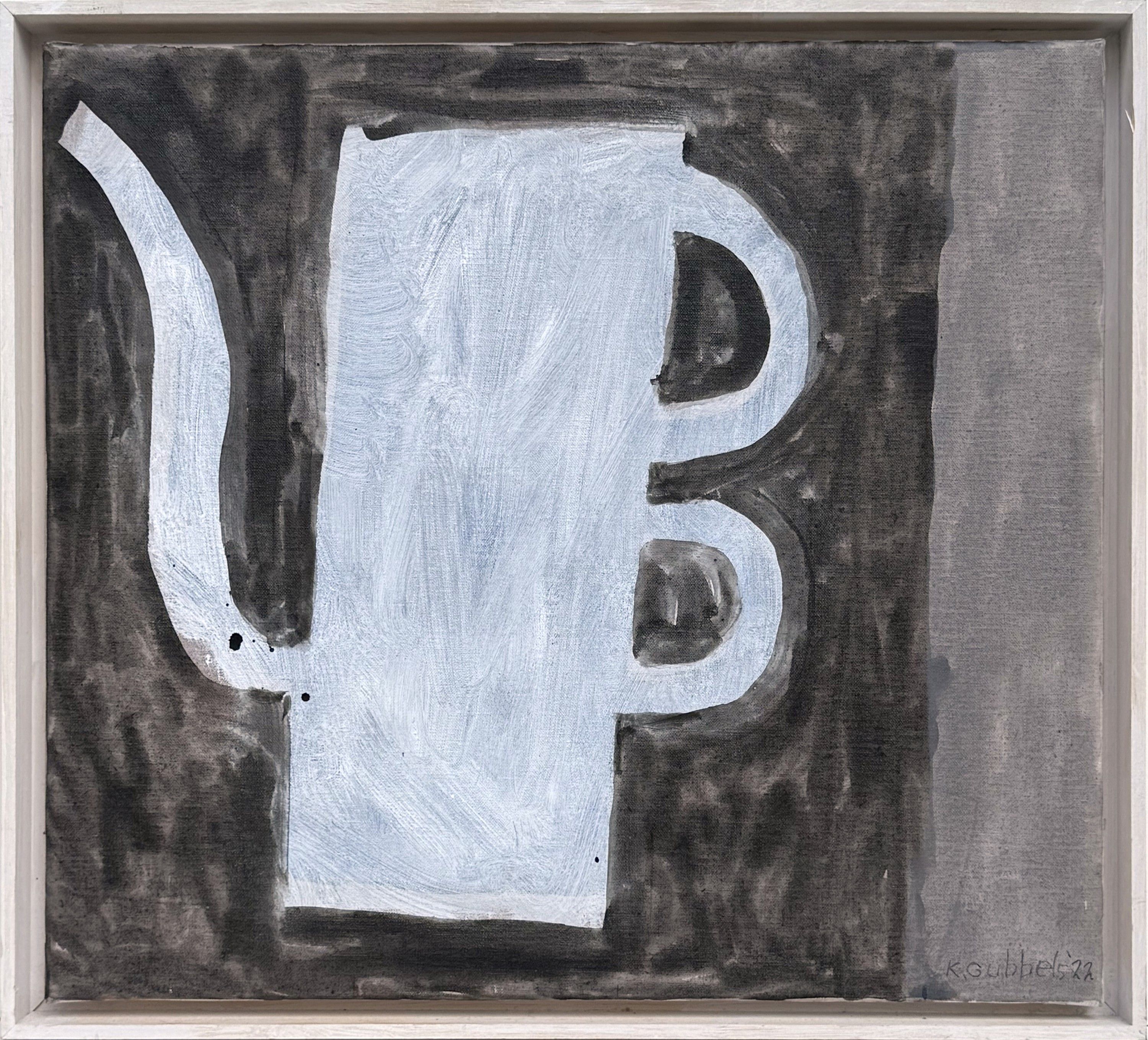
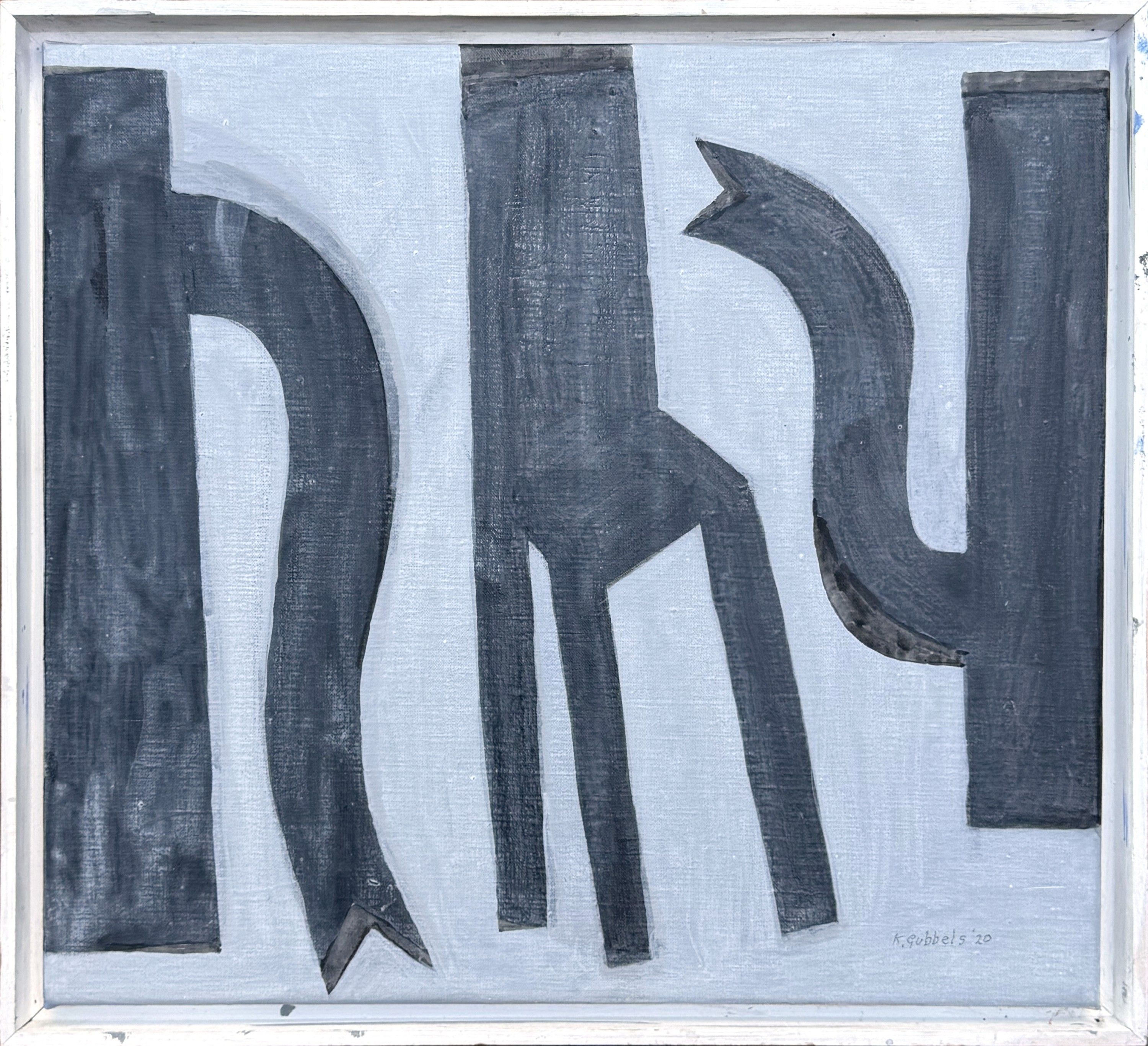
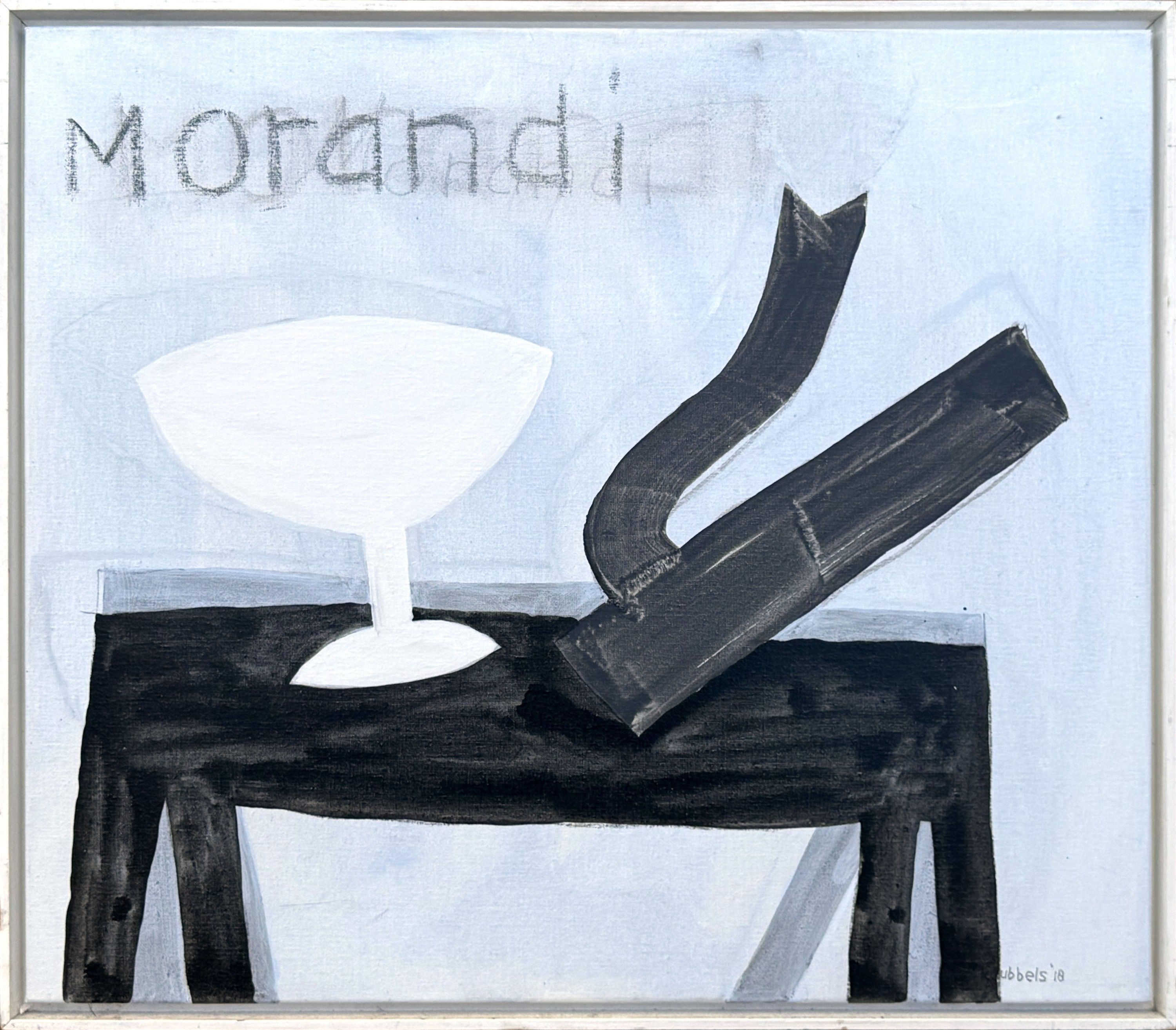
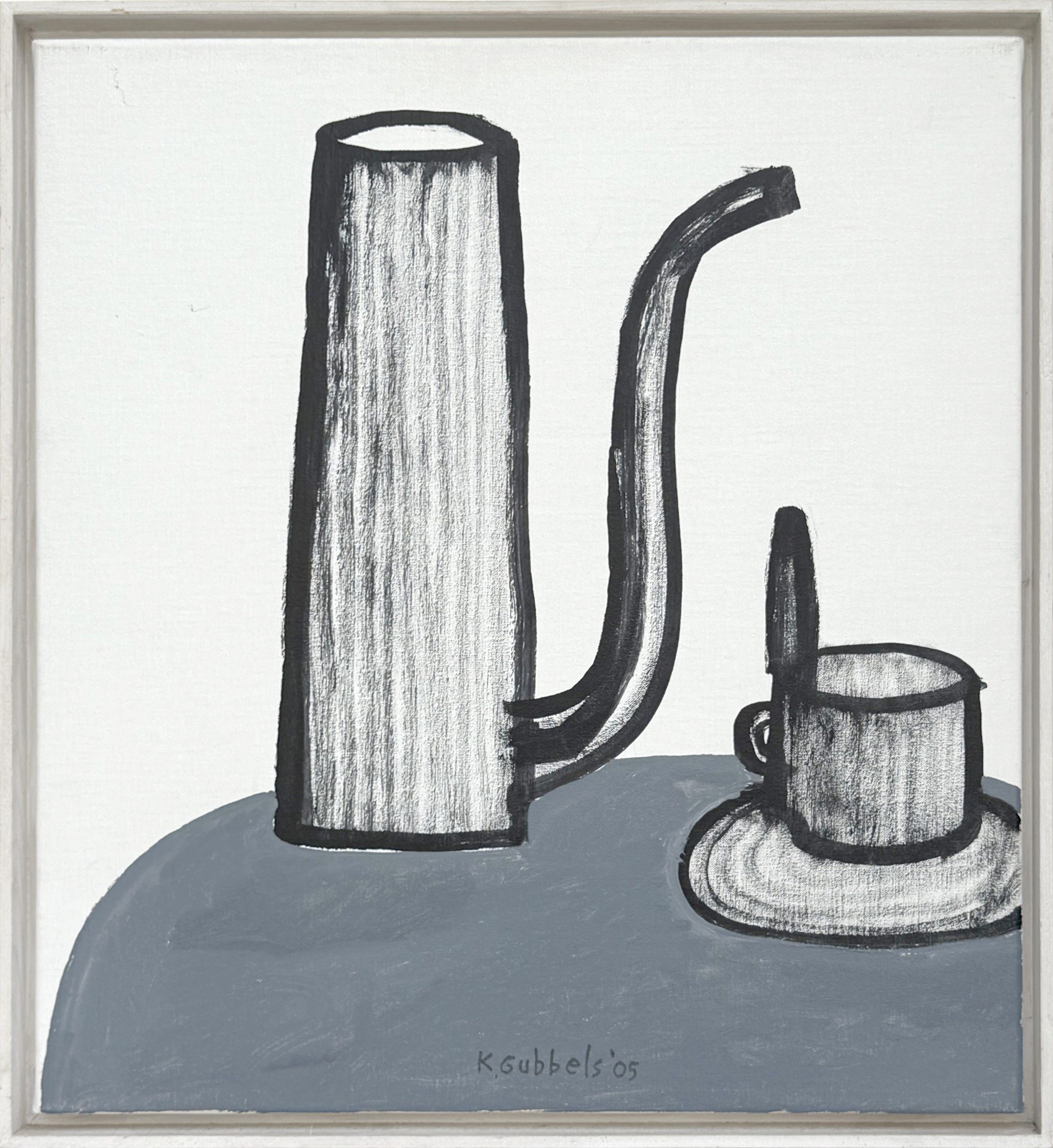
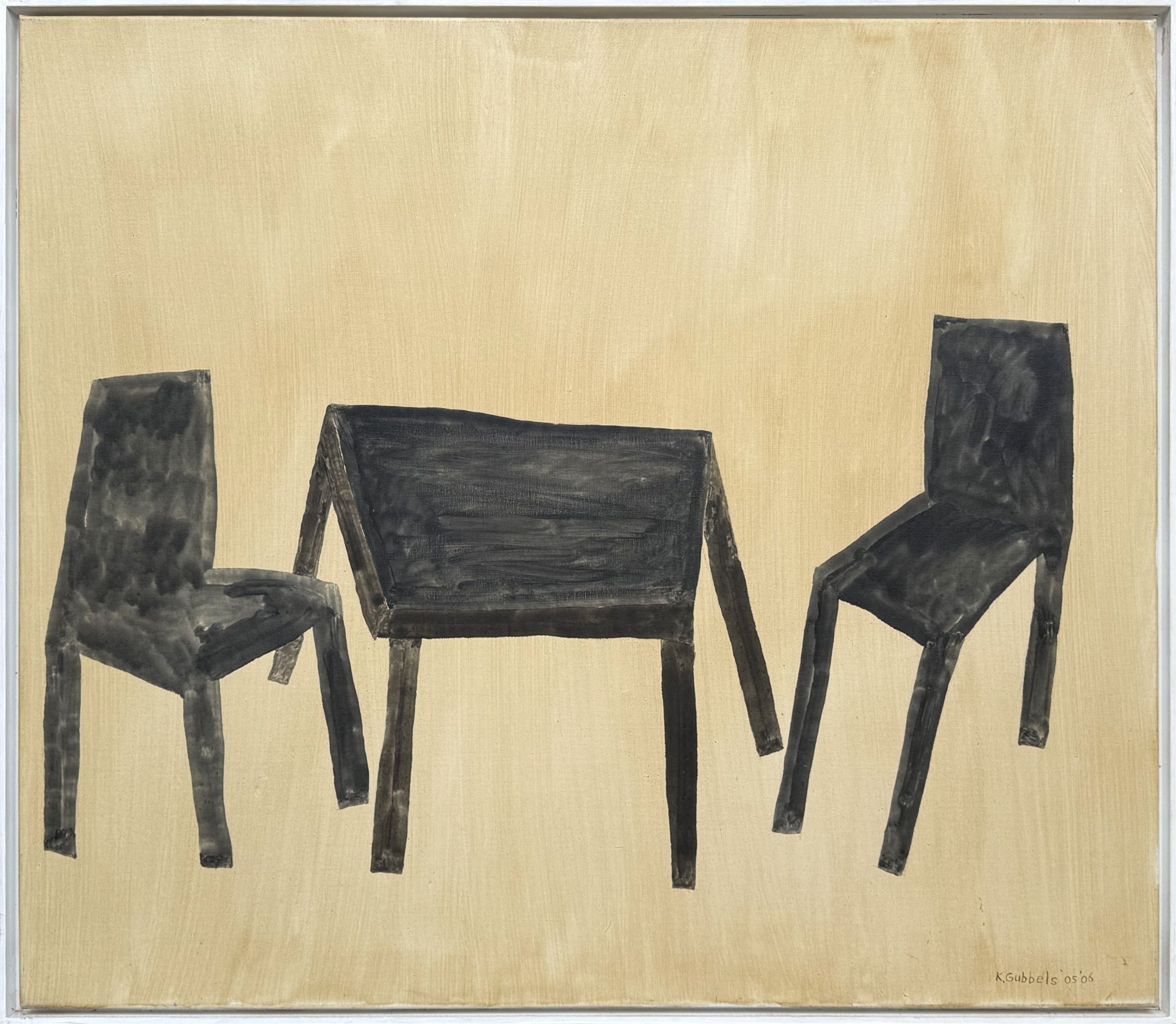
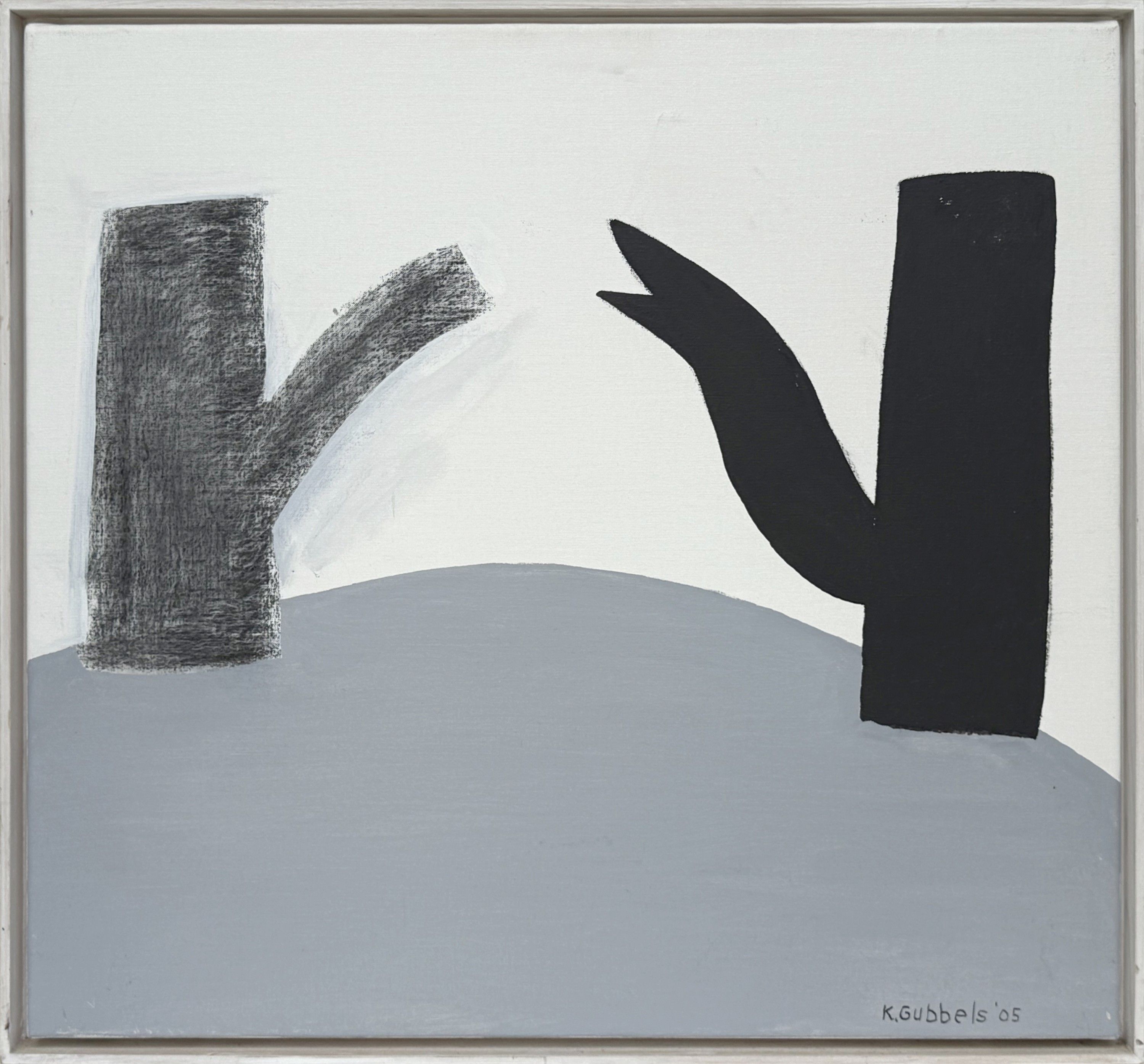
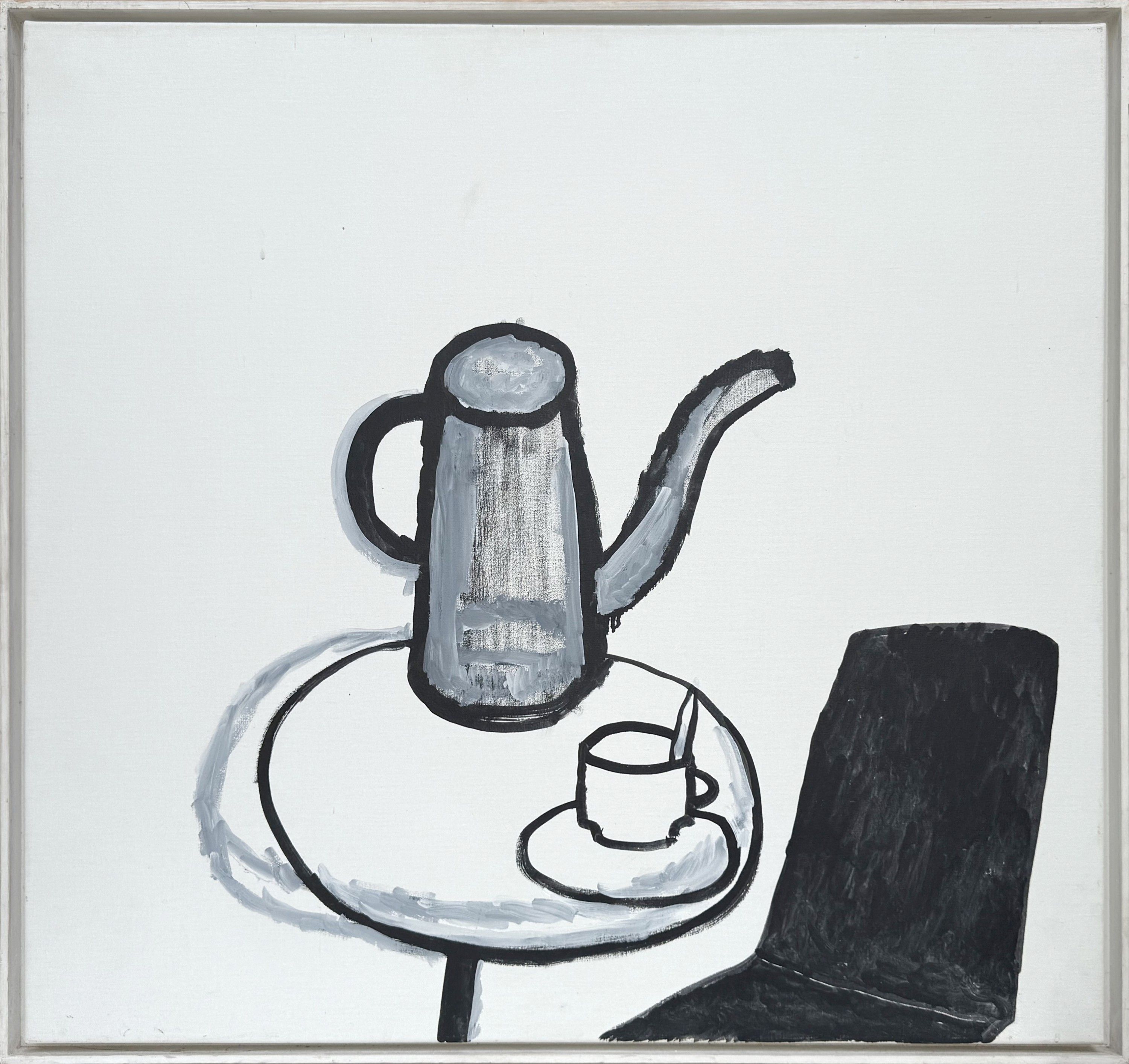
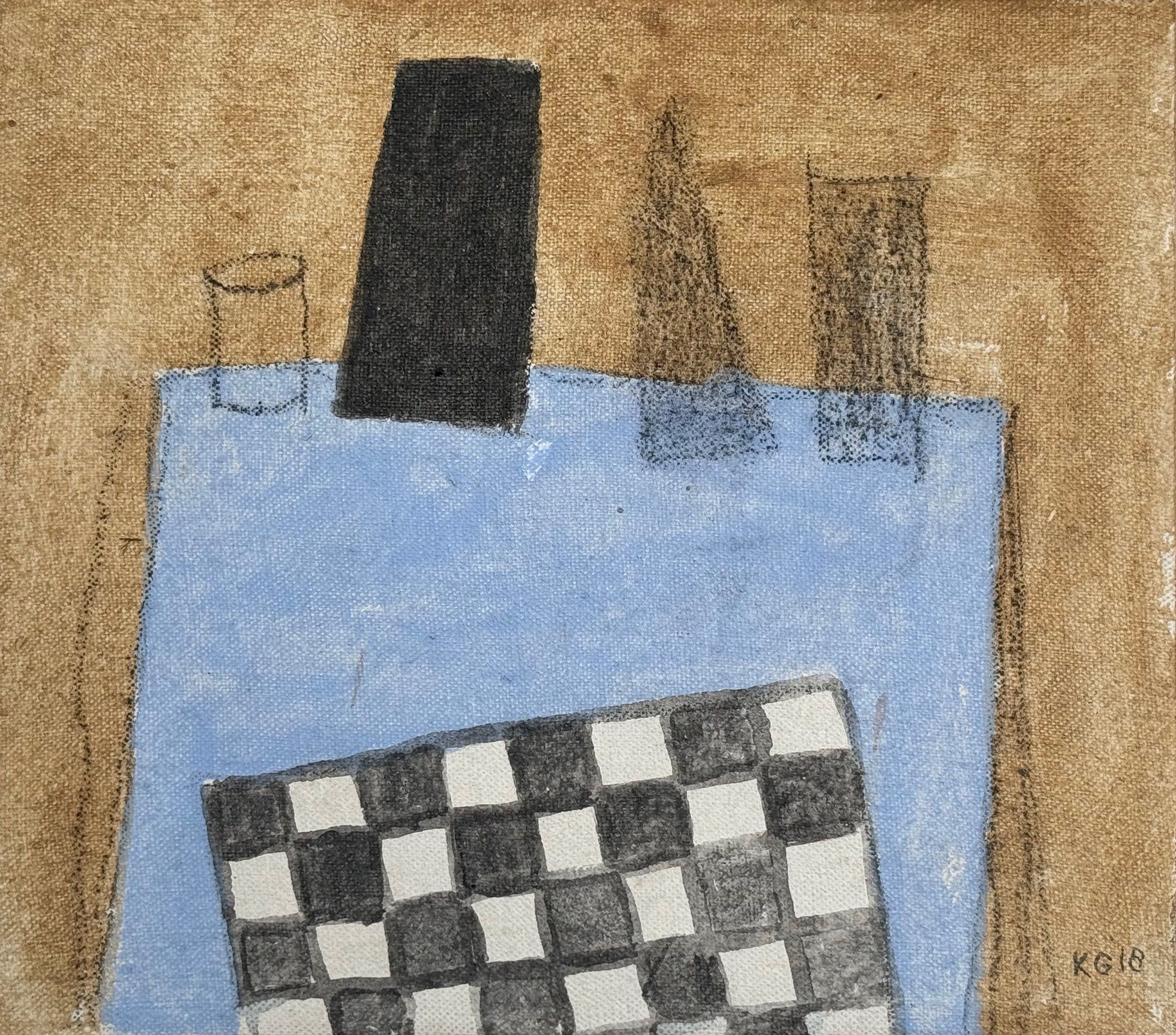
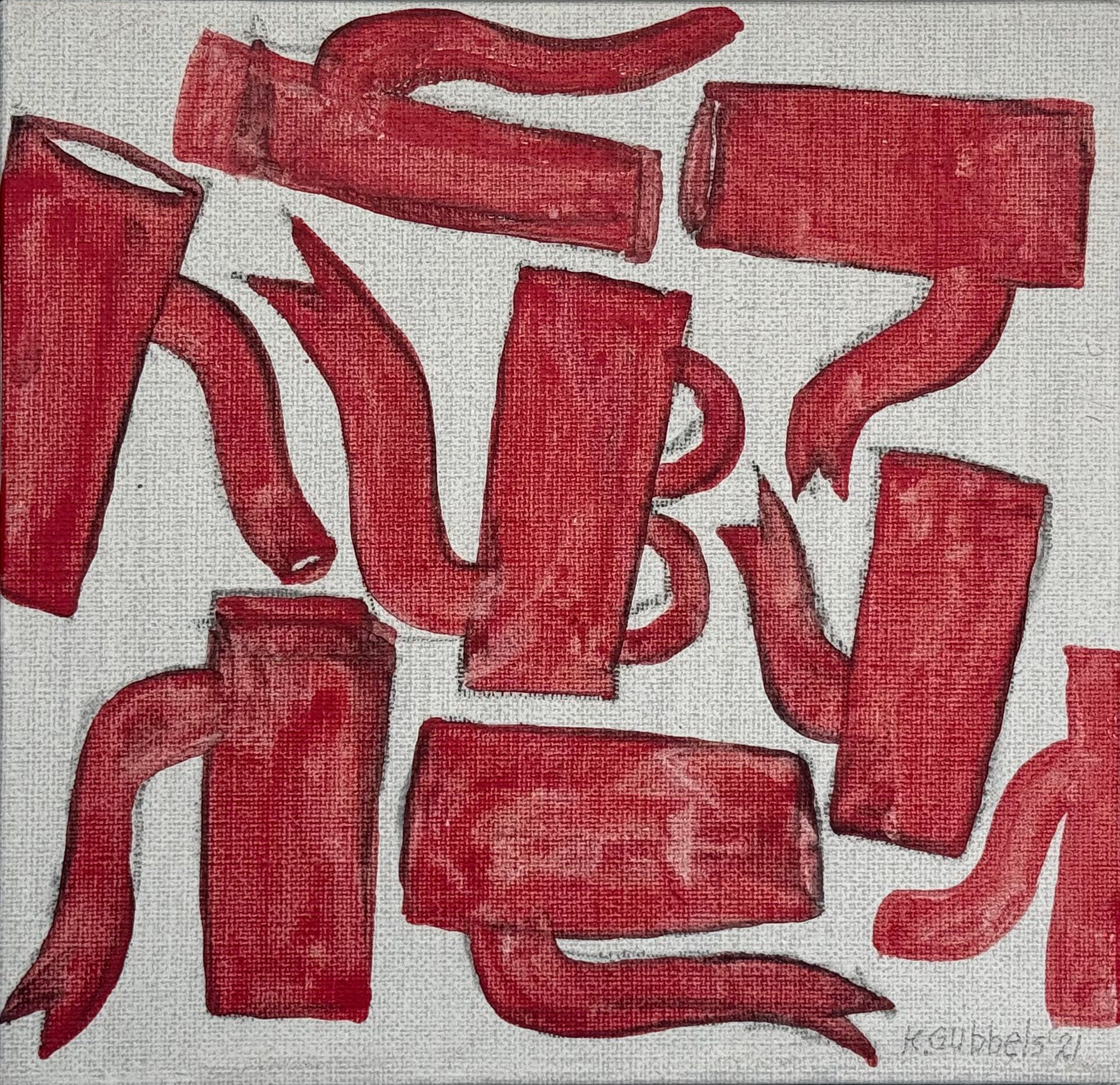
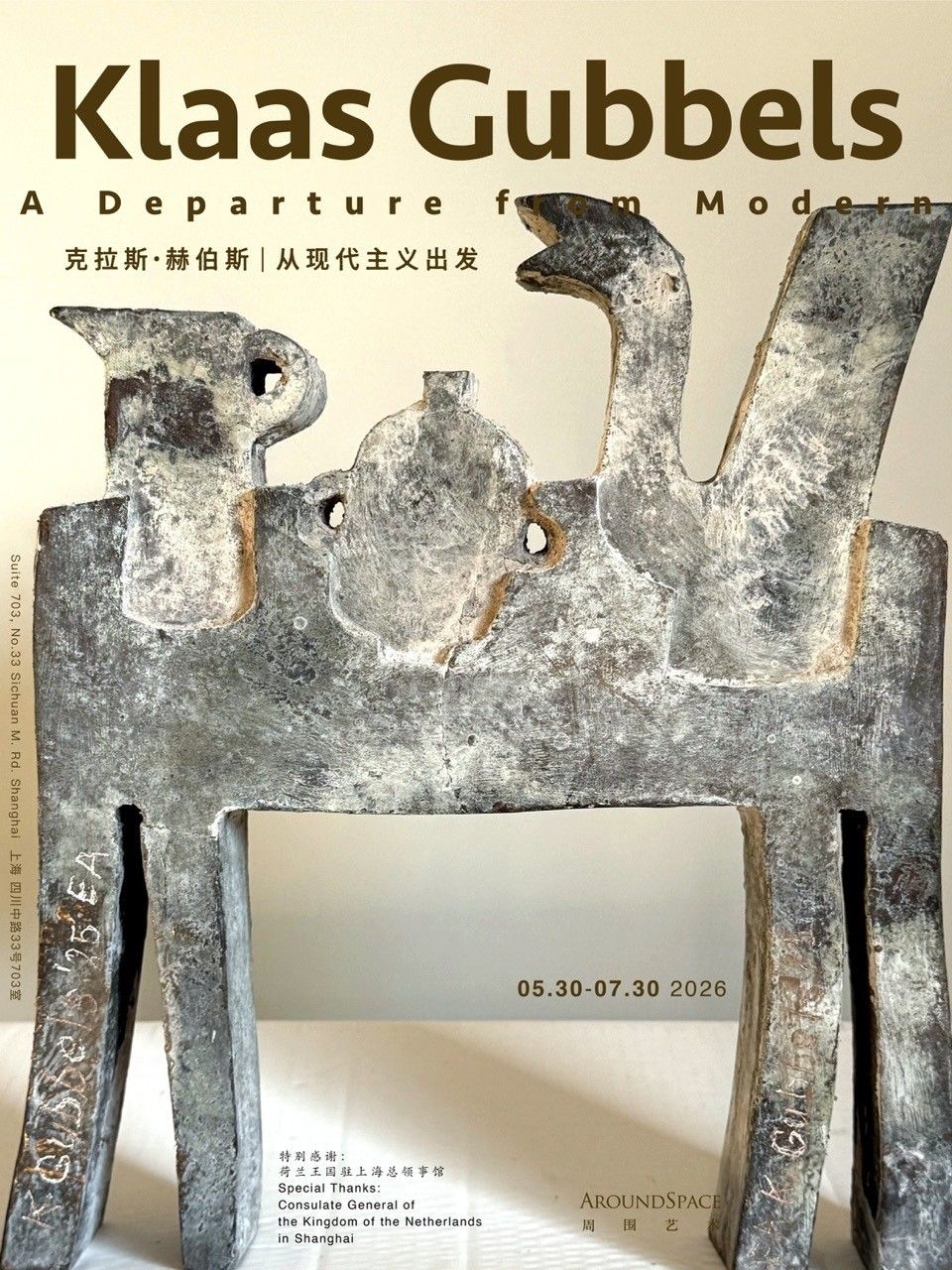
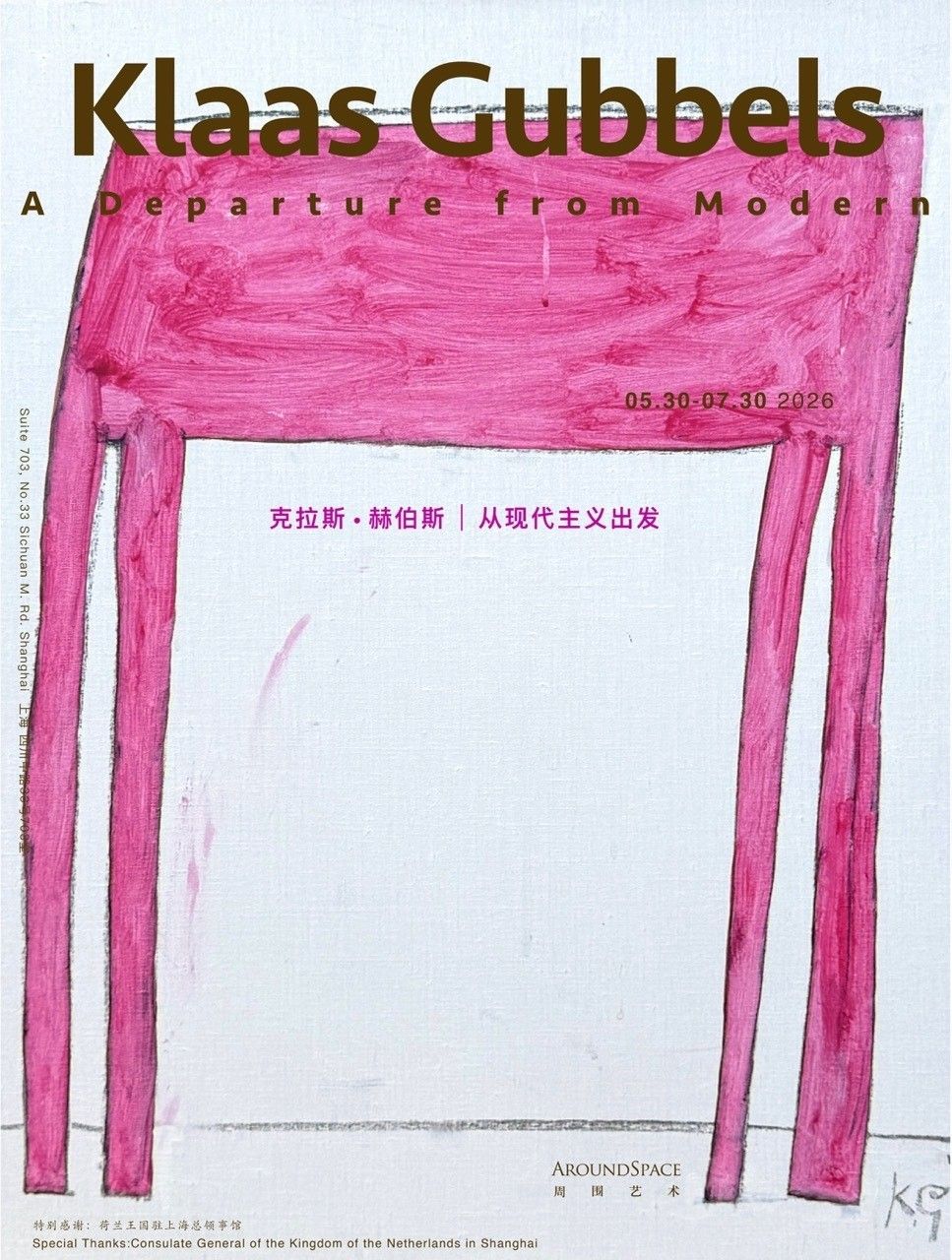
Every great artist is interested in creating a new visual system of their own. Impressionist artists introduced plain air and outdoor light into easel painting, modern artists turned to children and primitive art for inspirations to develop their own imagery; and contemporary artists pursued movements and speed, hopelessly trying to capture a fleeting world. Inheriting a profound tradition from Modernism masters, Dutch artist Klaas Gubbels departs from Modernism and persistently seeks his own visual vocabulary.
At the age of 92, Gubbels has not stopped making art yet and brings renewed focus and energy to painting and sculpture. In May 2026, at the AroundSpace Gallery in Shanghai, a retrospective brings together his works made from the 1980s to today and is dedicated to his extraordinary artistic career.
Born in Rotterdam in 1934, Gubbels currently resides in Arnhem, a city located in the east of the Netherlands. He worked as an assistant for several renowned Dutch artists such as Wally Elenbaas (1912 - 2008) and Louis van Roode (1914 - 1964). In the 1980s, Gubbels was active in the New York art scene, together with his mentor and friend, and also Rotterdam-born artist, Willem De Kooning (1904 - 1997) who later invited him to teach at the WdKA: Willem de Kooning Academy in Rotterdam.
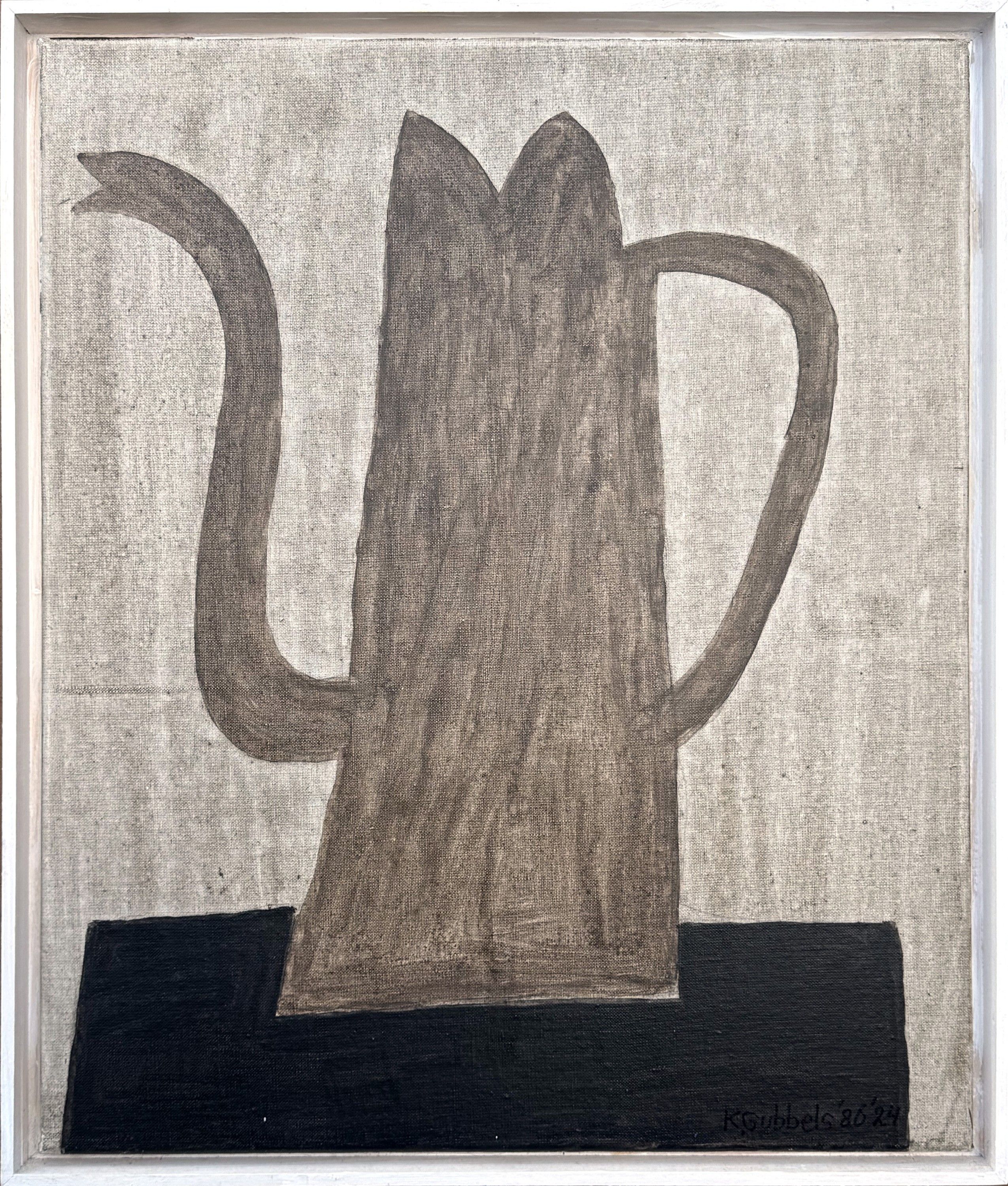
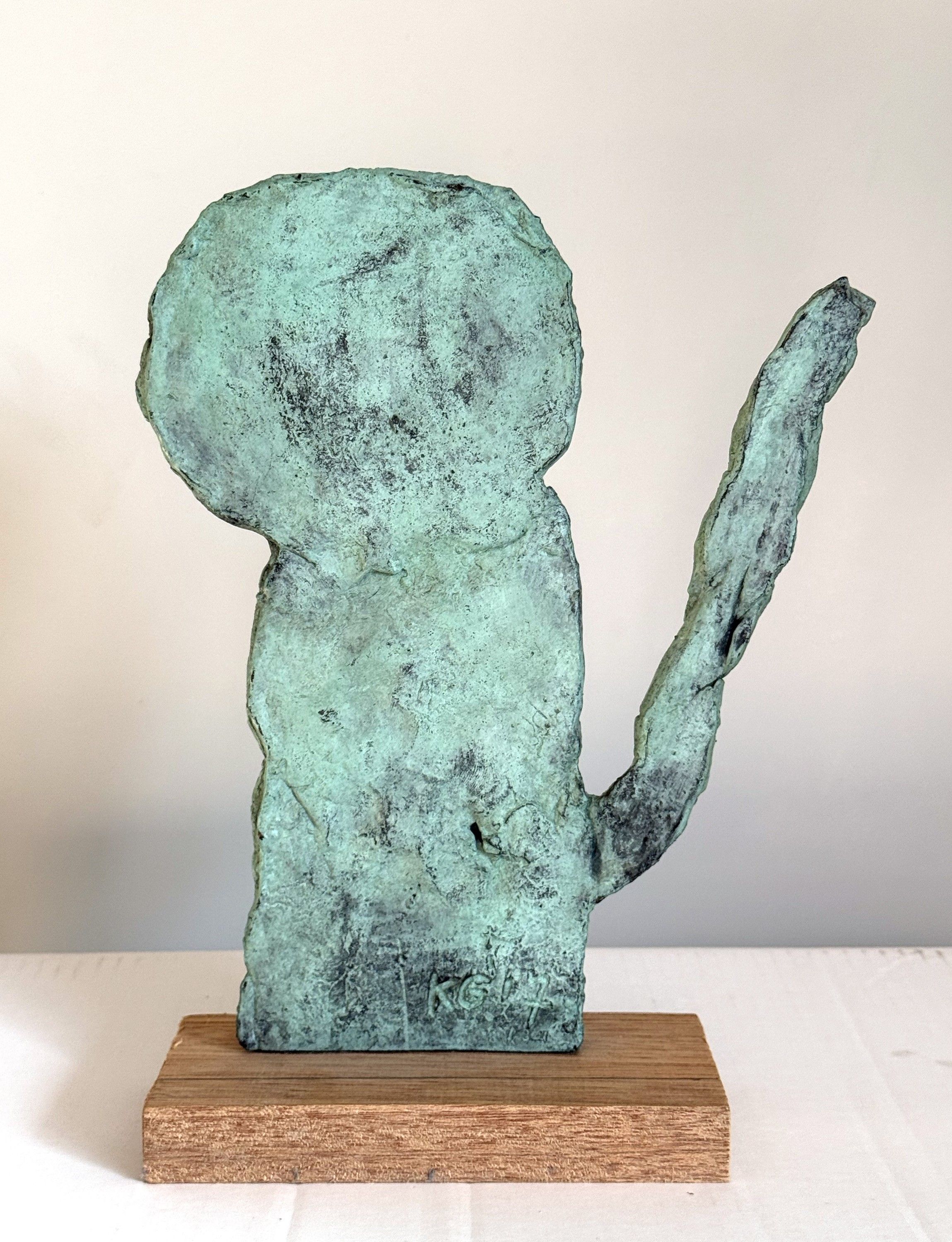
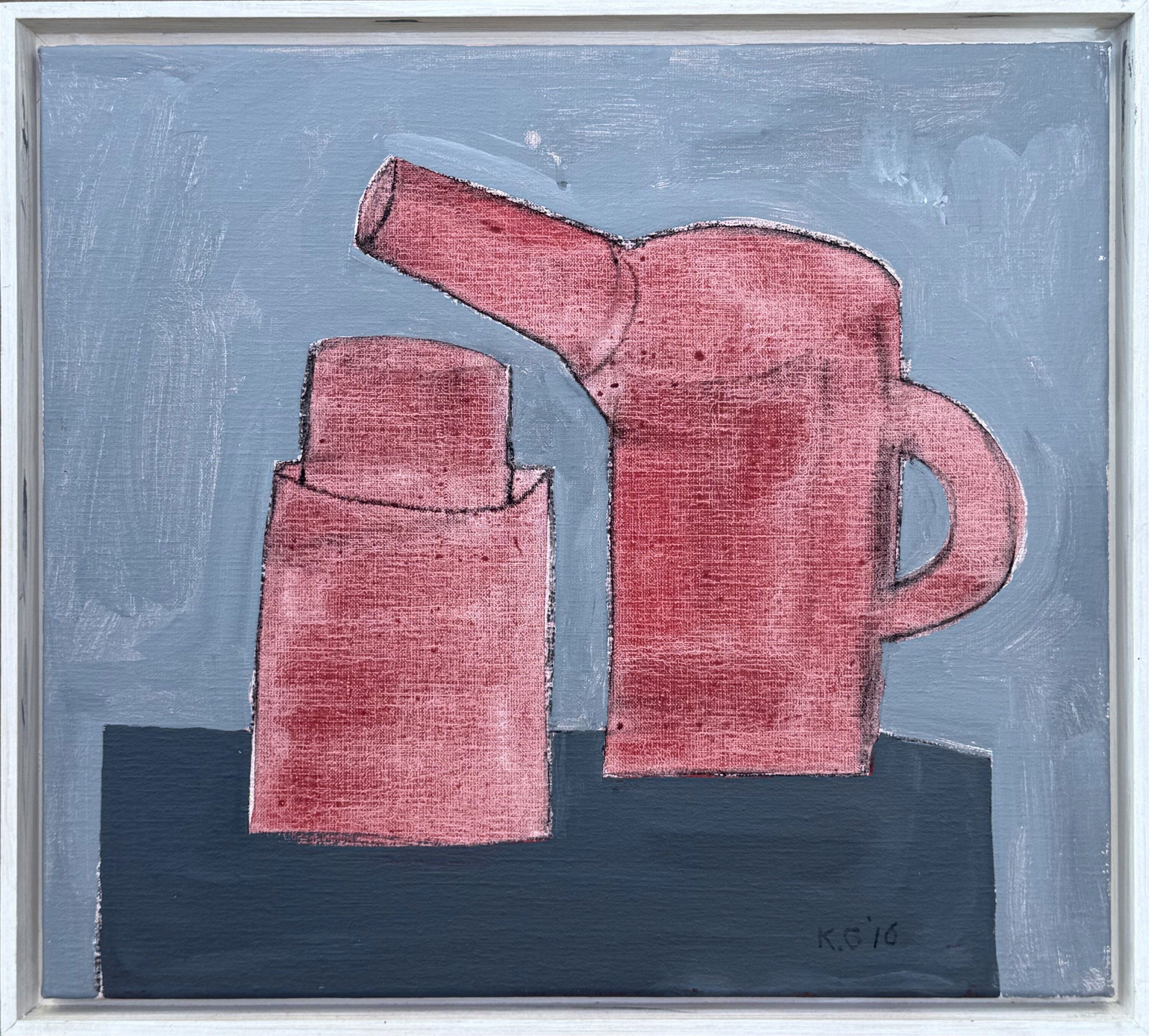
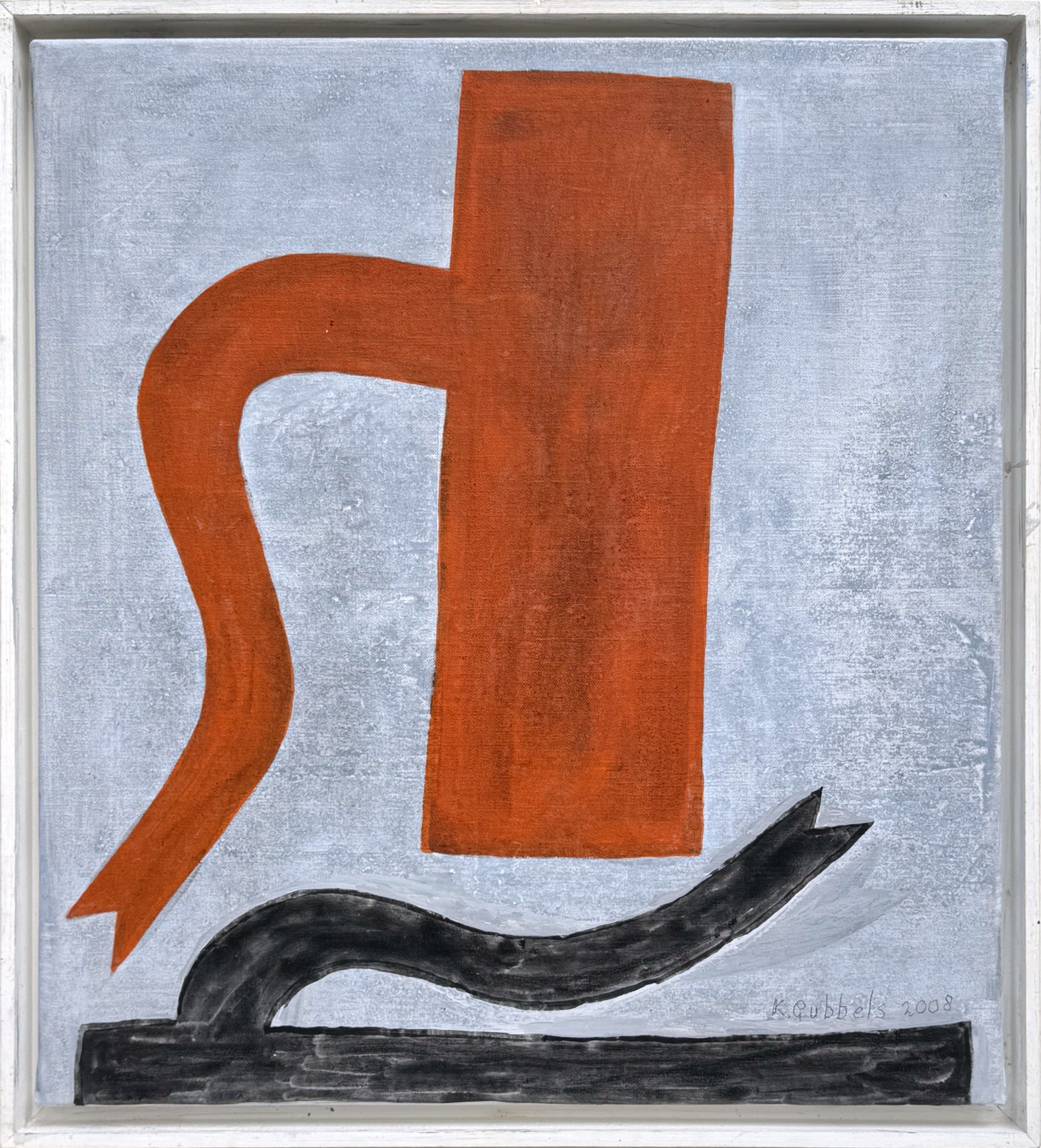
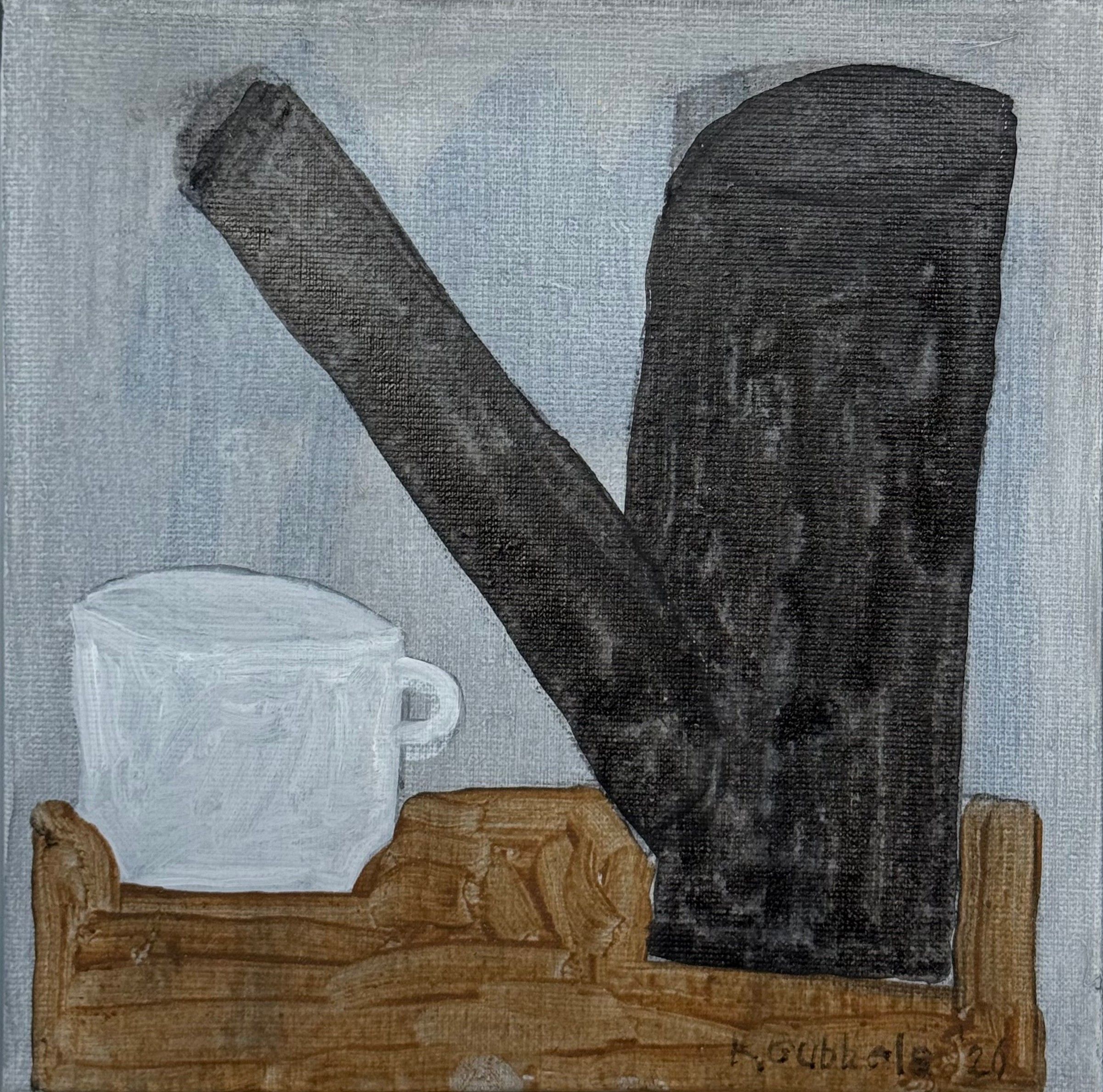
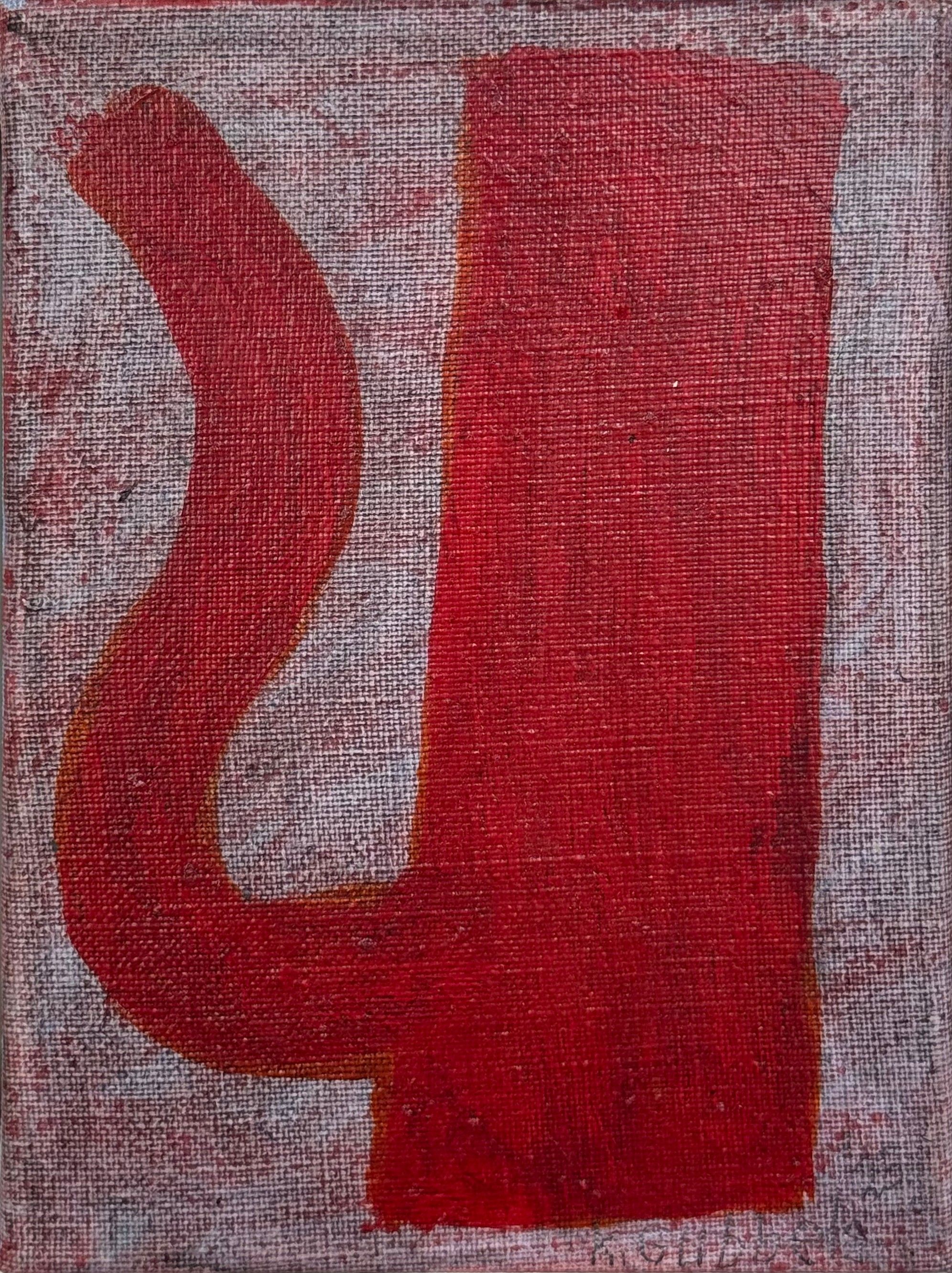
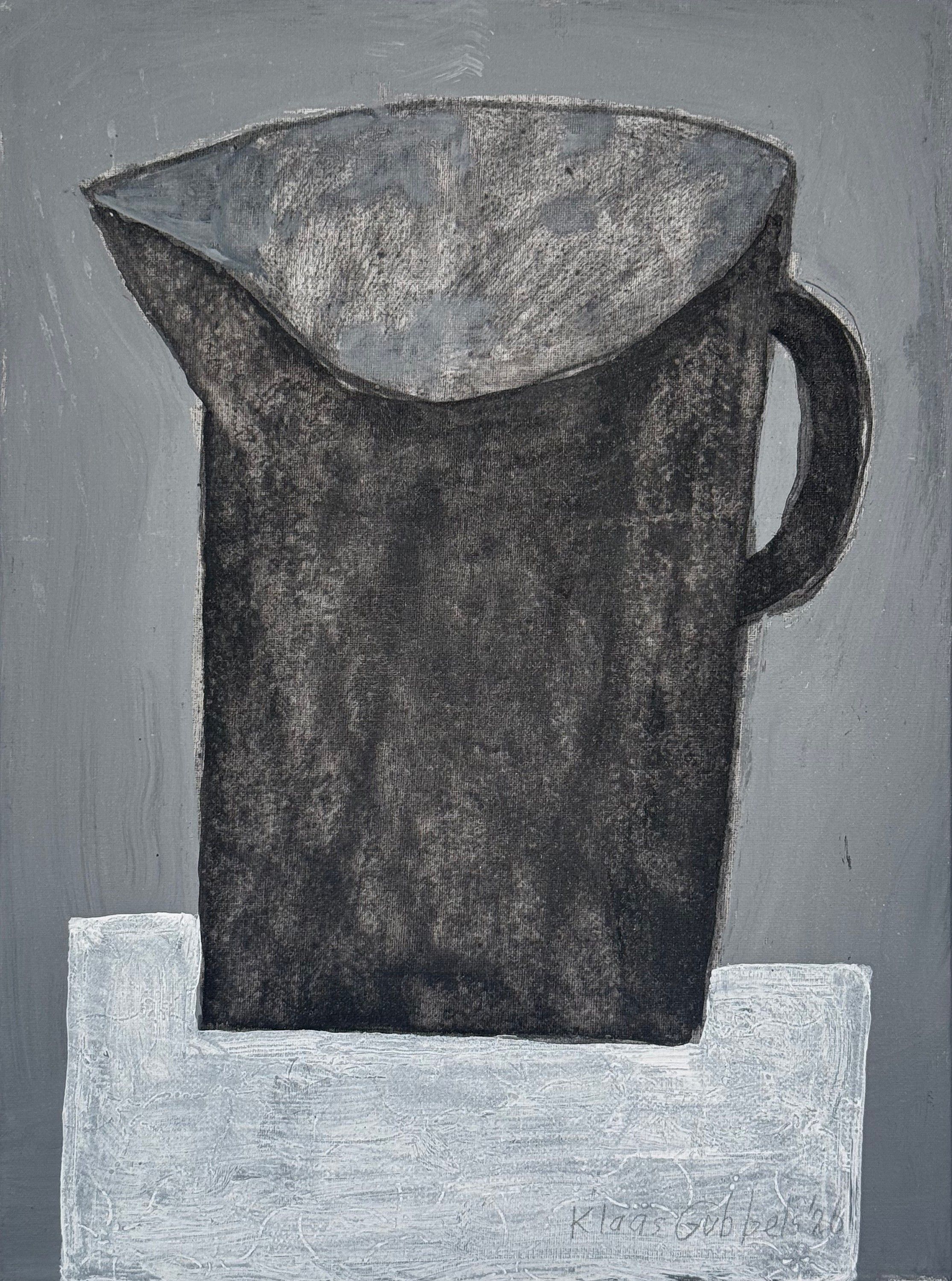
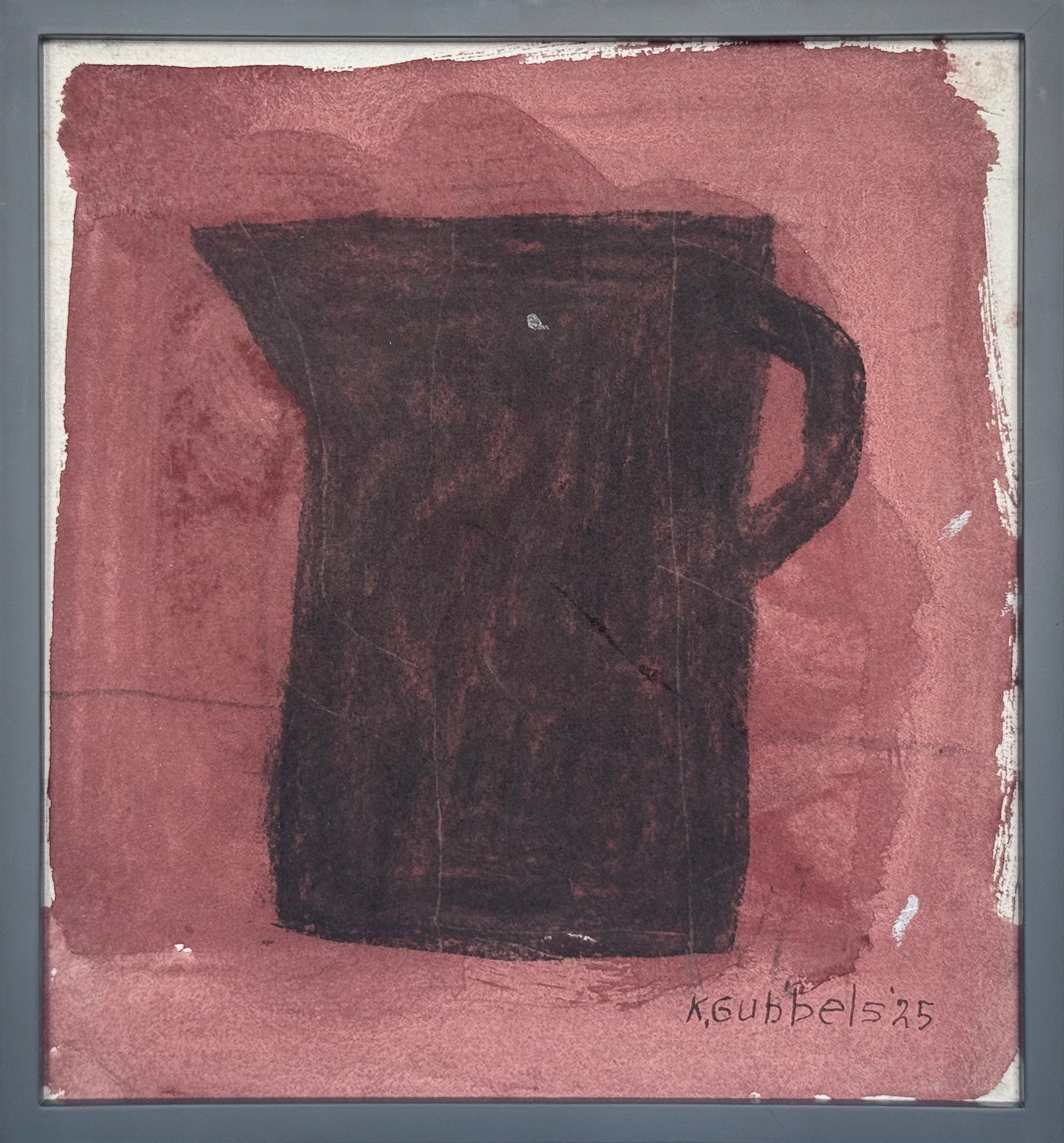
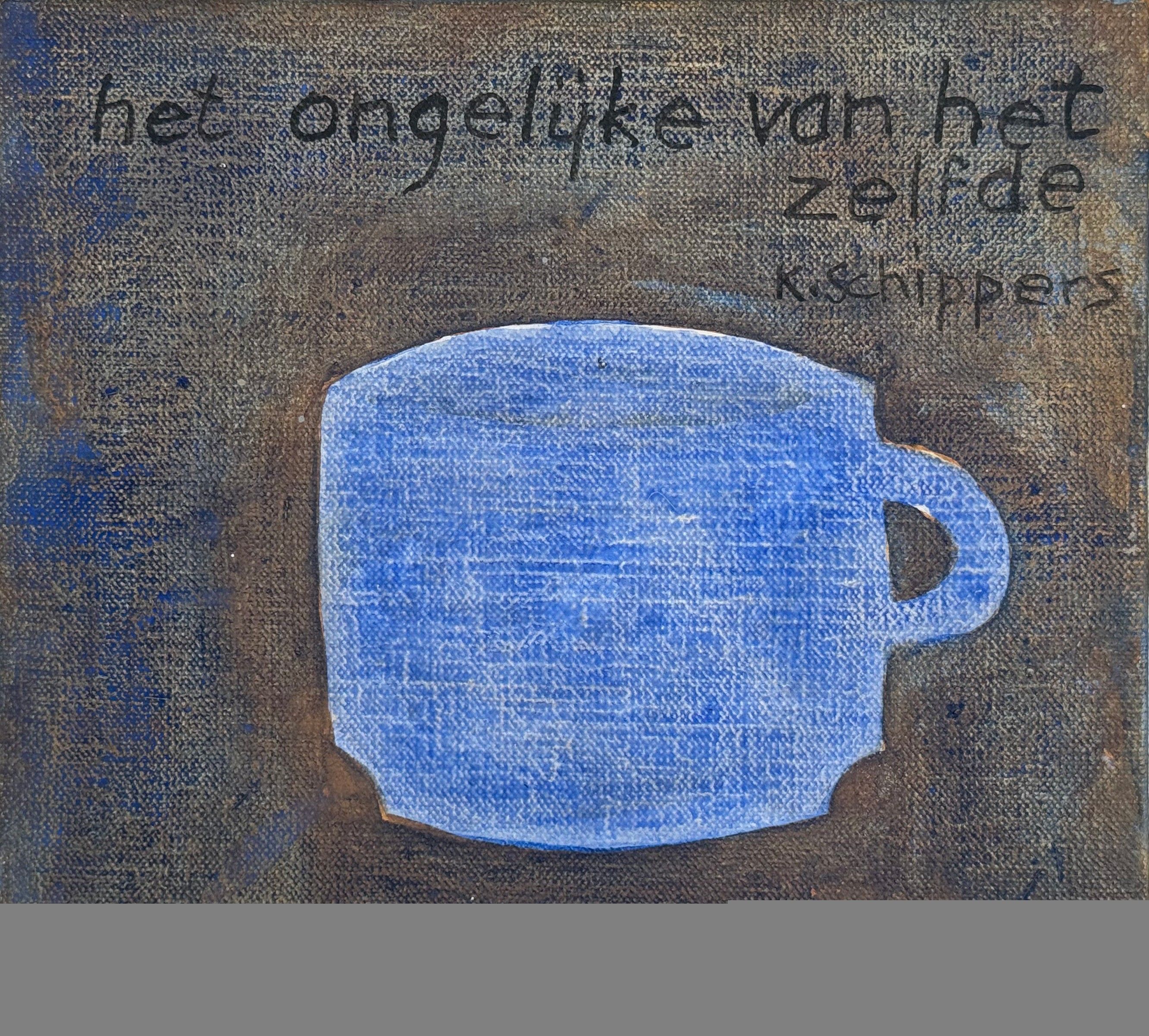
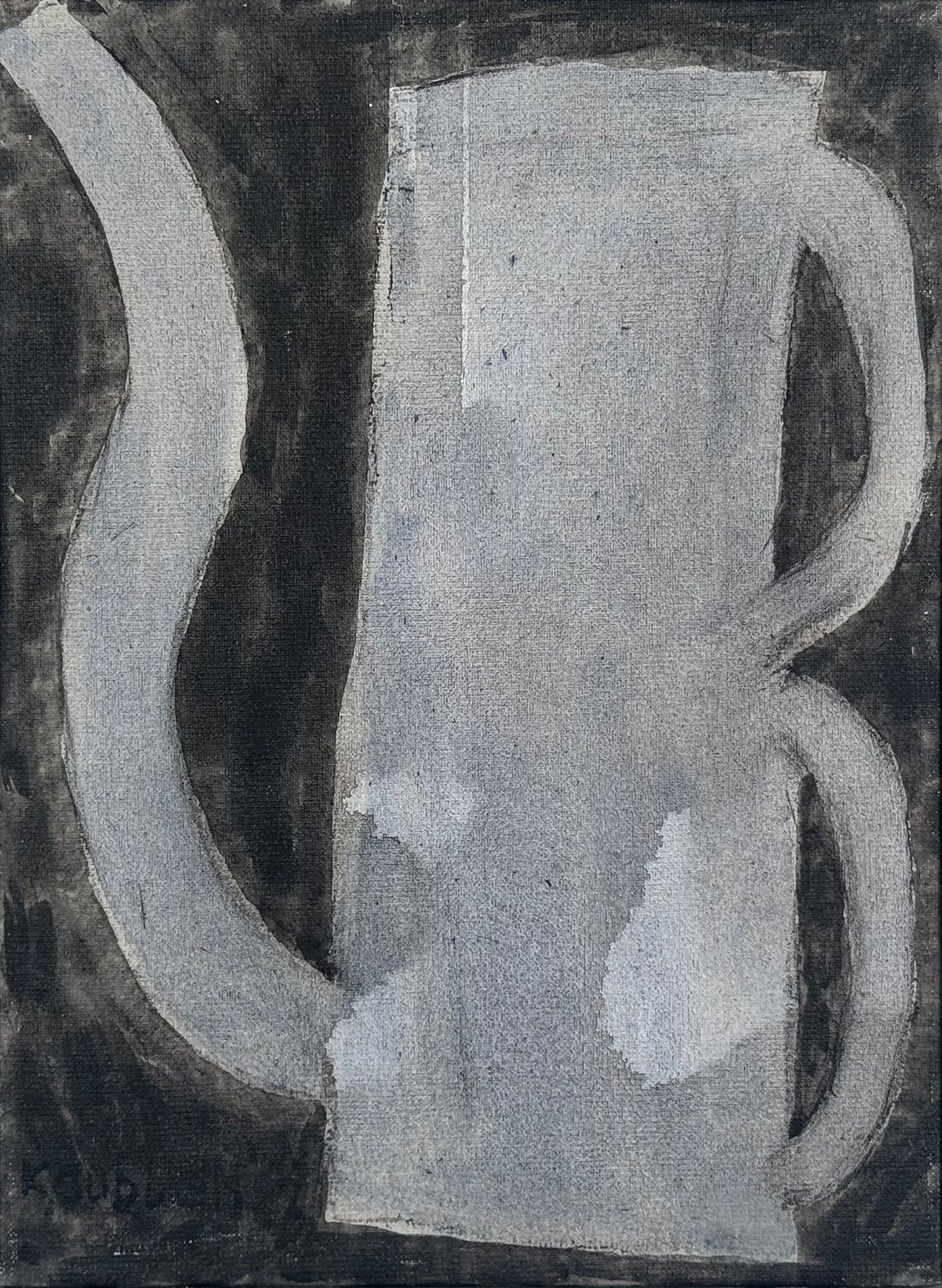
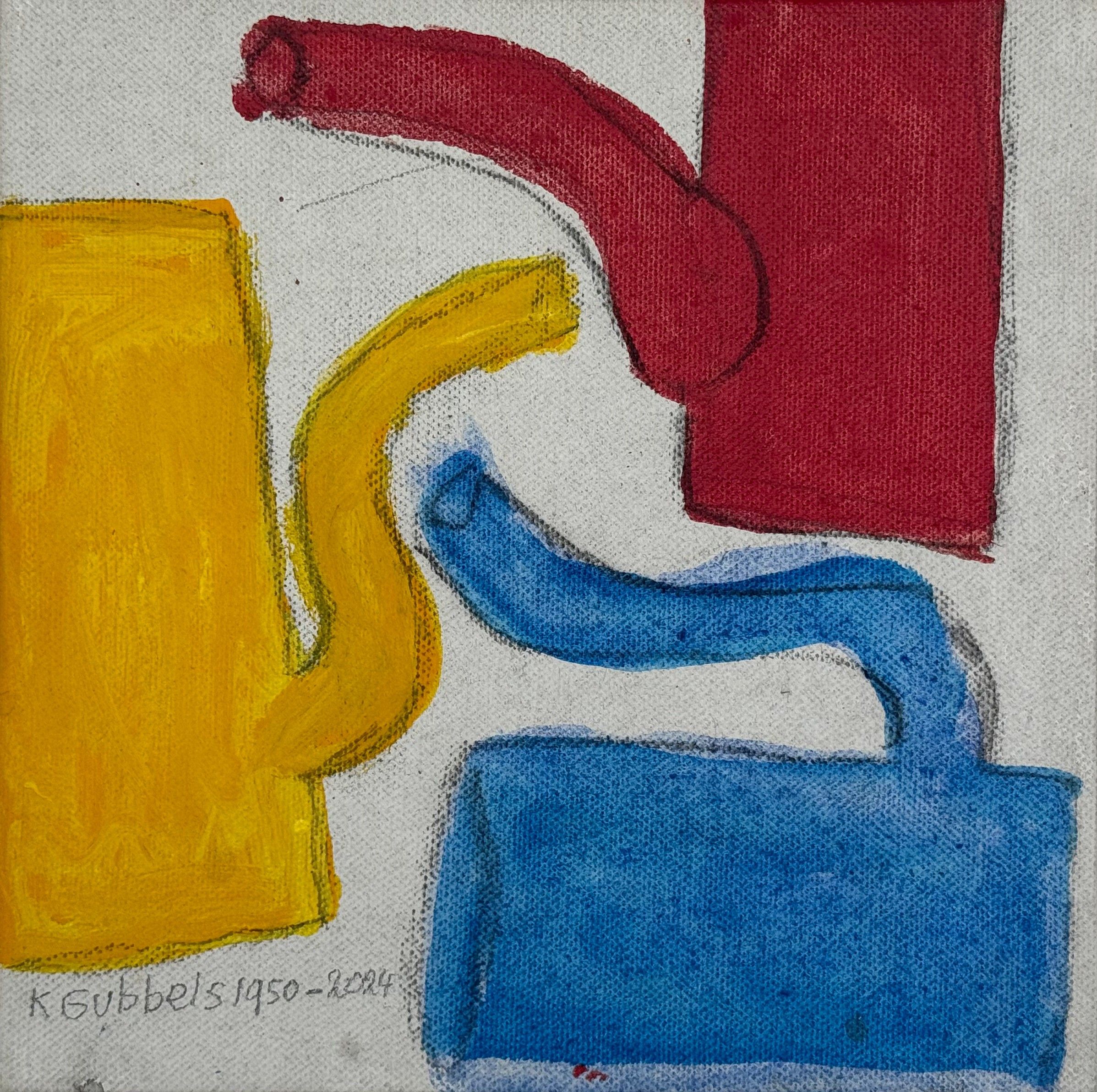
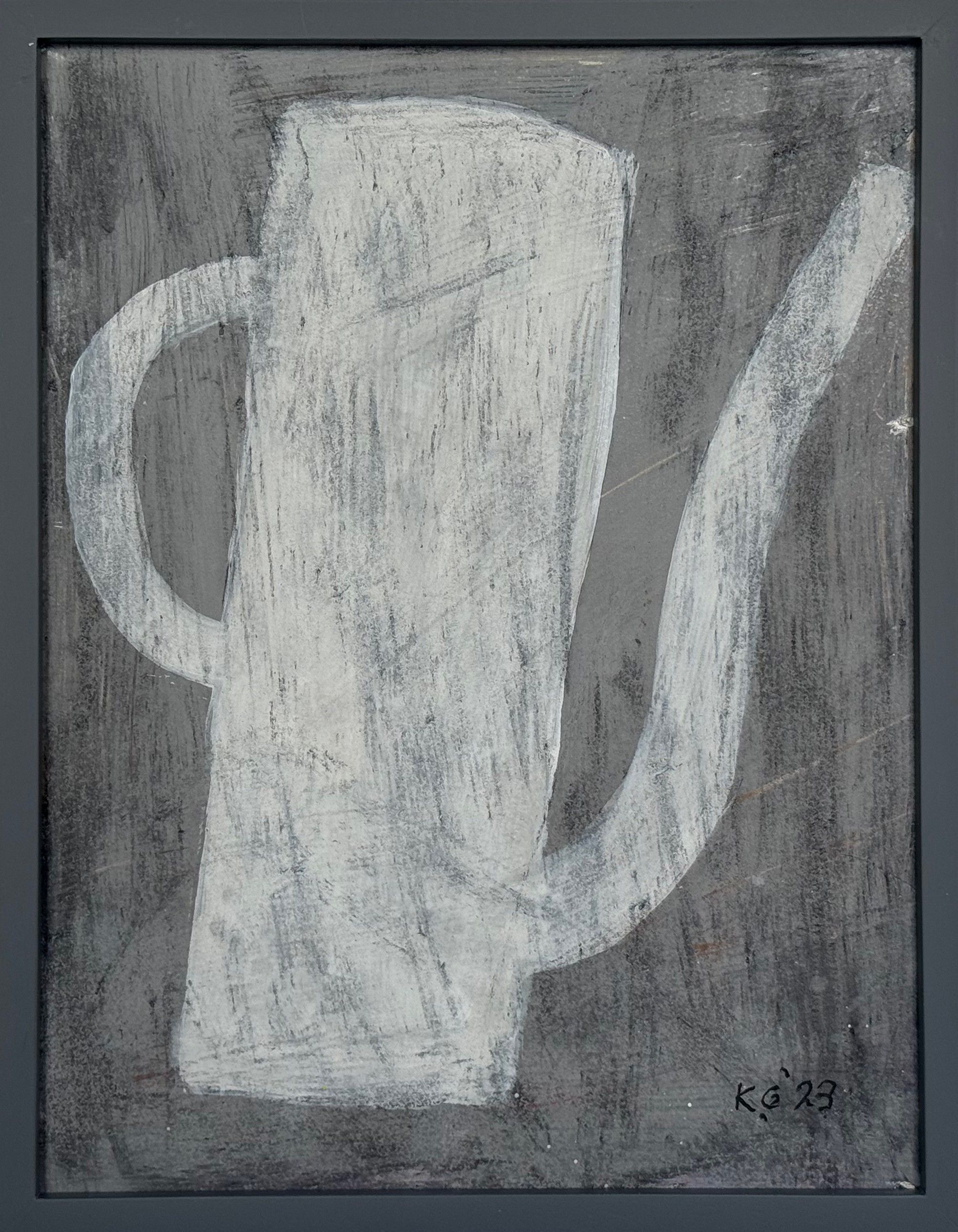
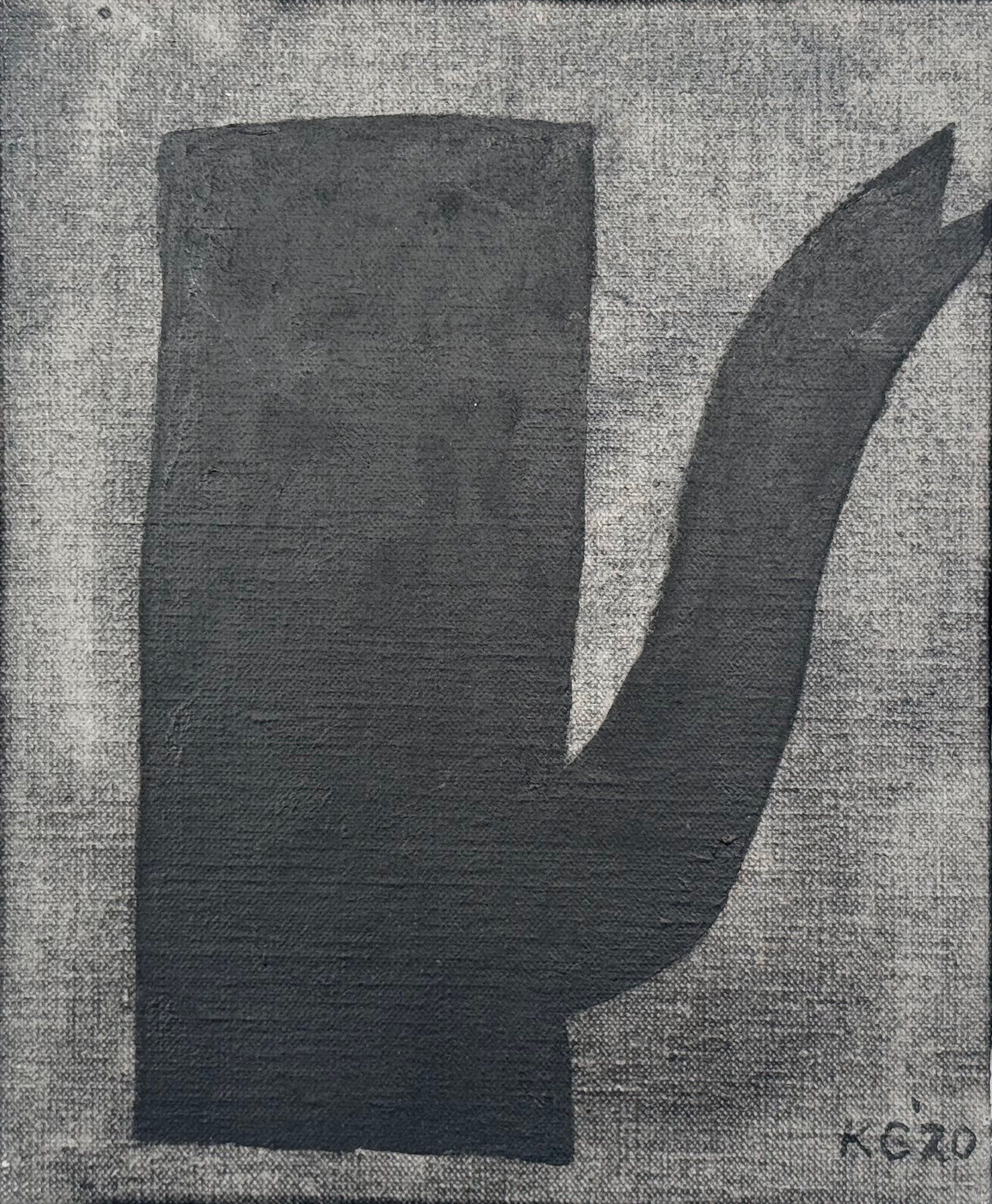
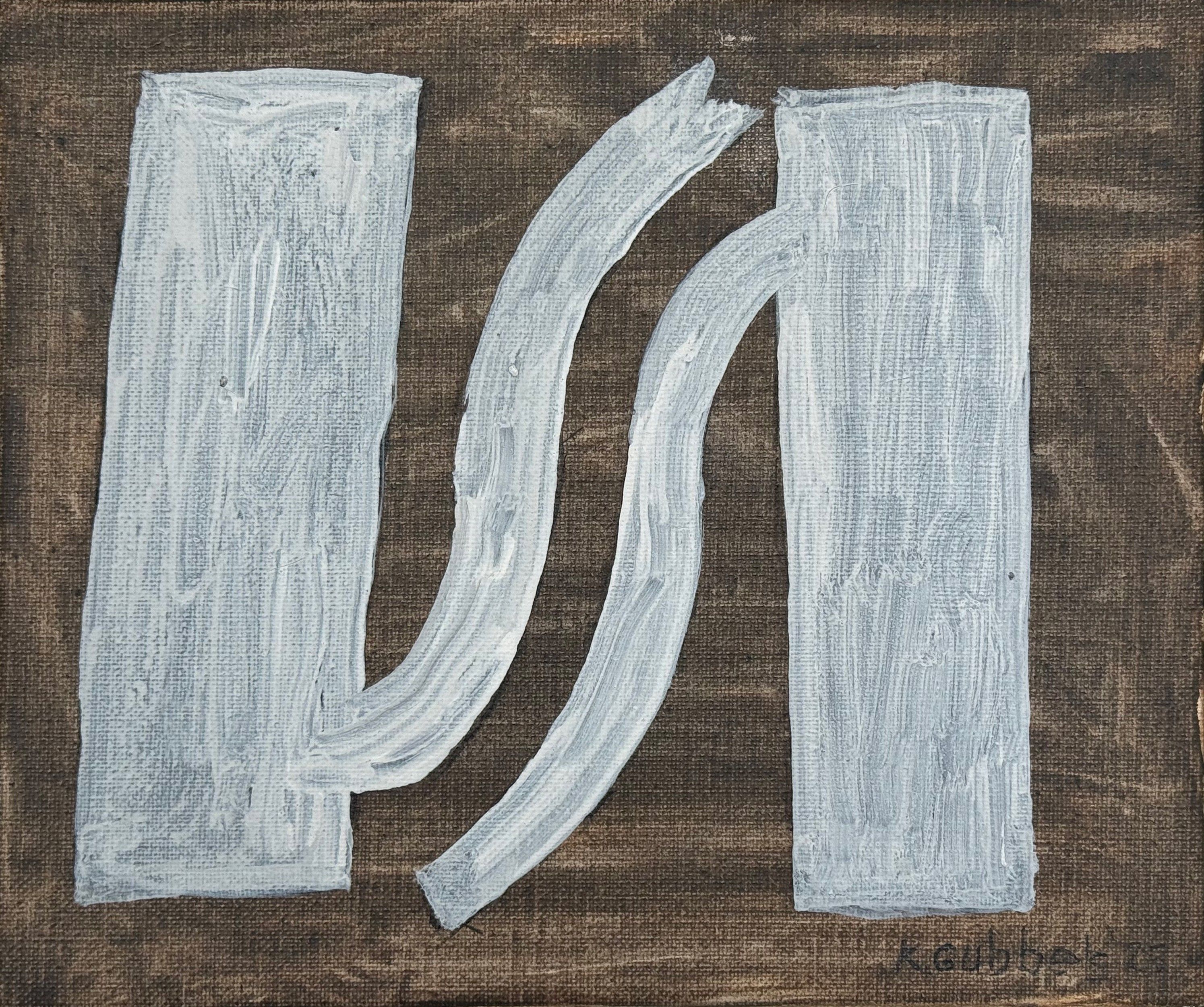
Based on the art of modernist masters such as Paul Cezanne, Henri Matisse, and Pablo Picasso, Gobbles broke away from radical avant garde approach but adopted a spirit of humbleness, warmth, and kindness. His signature image, tea/coffee pot is a renowned icon to every Dutch family, and even the broader European audience. For him, a pot is a vessel, but it is also his muse, a poet, a pair of lovers, or a group of friends or strangers. They interact, collide, and communicate with each other. They are happy or sad; dancing or weeping, forming a lively motive and community. Balanced and centered, soft yet strong at the same time, his work pursues clarity of perception grounded in attention and calm, created by an untroubled mind.
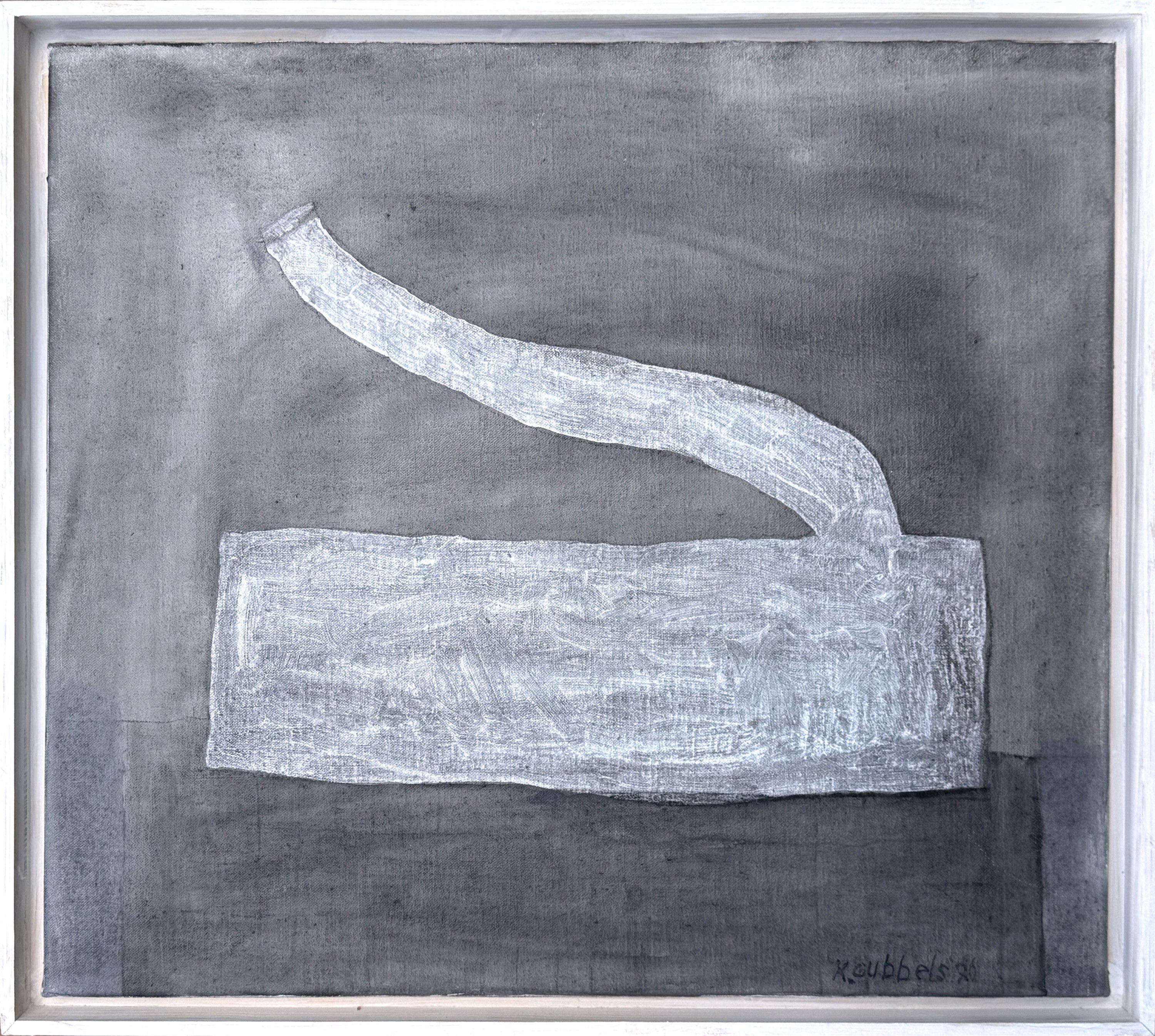
Gubbels’ most recent work in 2026, Horizontal, an acrylic painting on canvas, fully reveals the artist’s deliberation and thoughtfulness during the creative process, without missing a sense of humor. A coffee pot lies horizontally across a tabletop, as if it puts up its feet and reposes for a little bit, letting out a relaxed, content, but also philosophical moment. The layered brushstrokes applied repeatedly over a monochromatic background demonstrate the artist’s consummate mastery of the acrylic medium. Gubbels achieved this type of effortlessness via a long trajectory of exploration and experiment. Evolved from a naturalistic representation, his imagery gradually yielded to organic and then geometric forms, eventually established his own visual language.
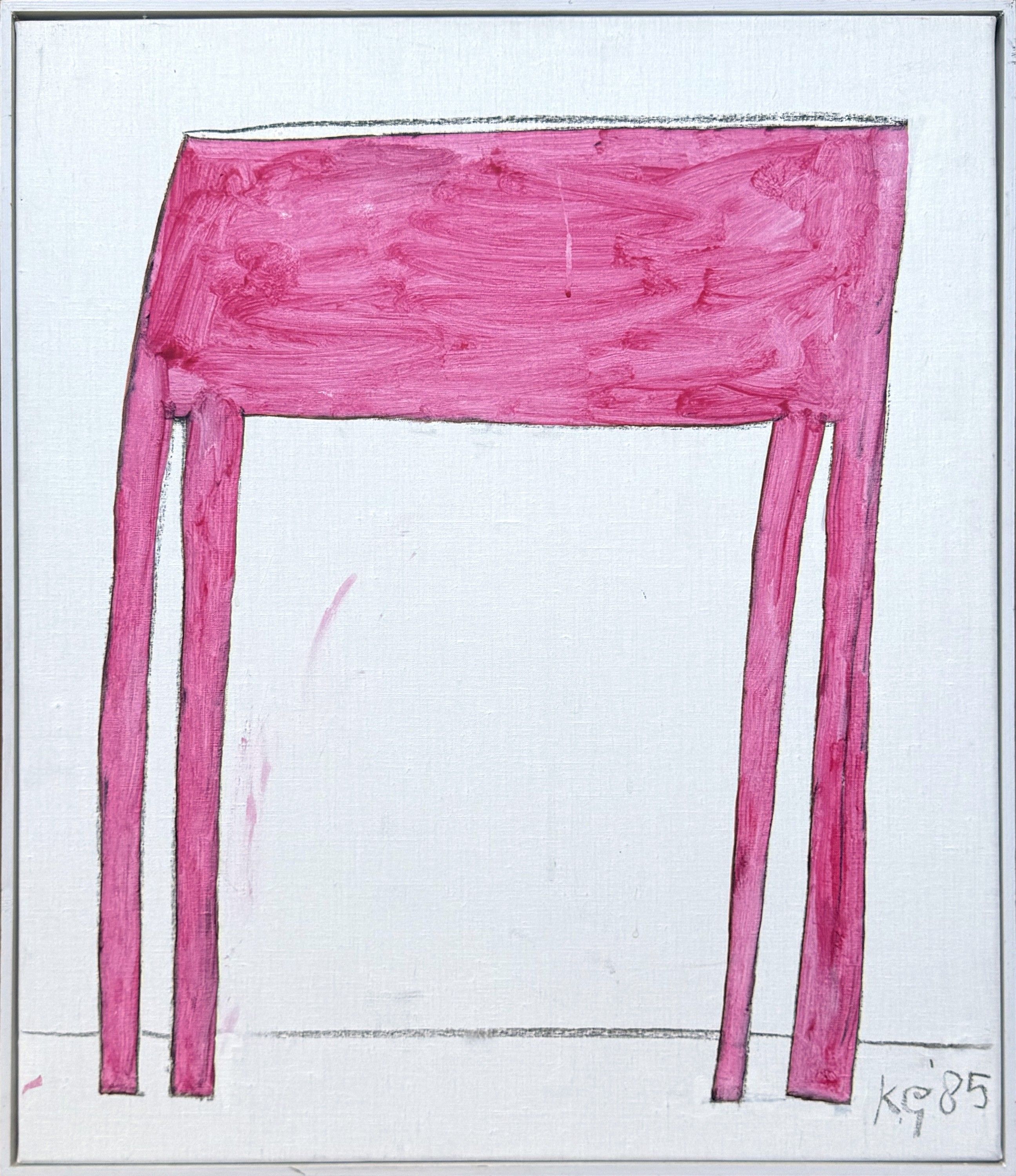
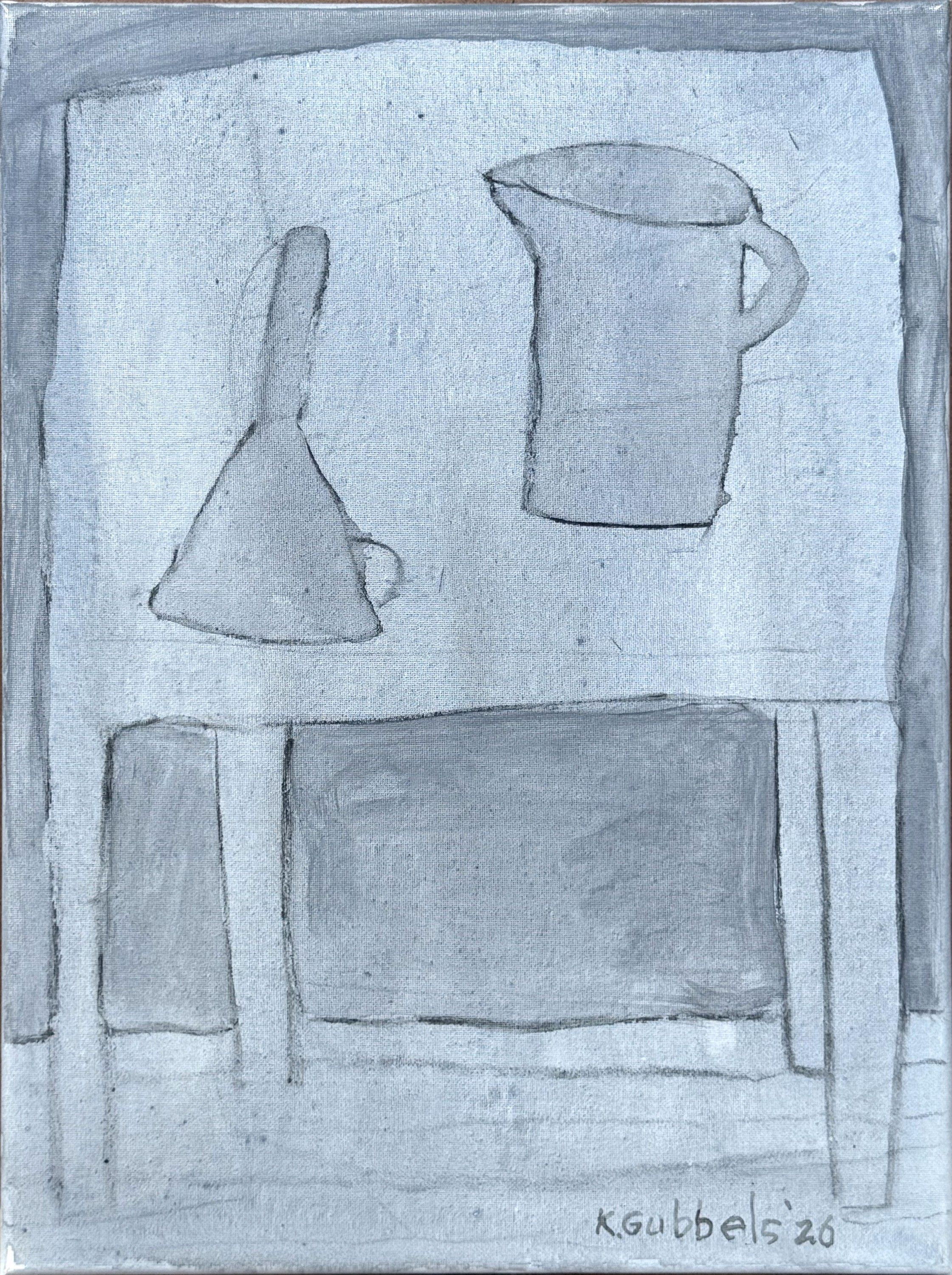
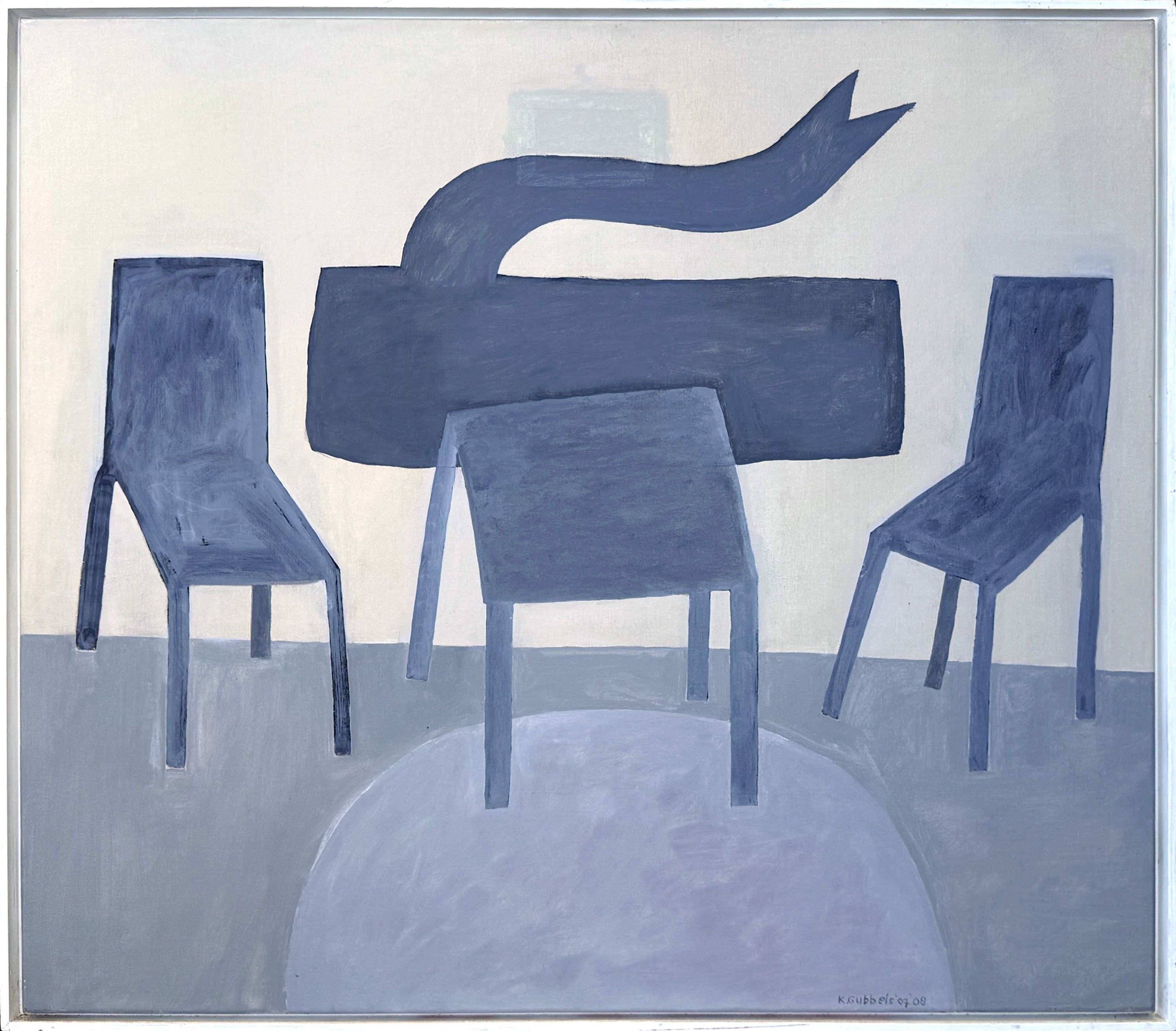
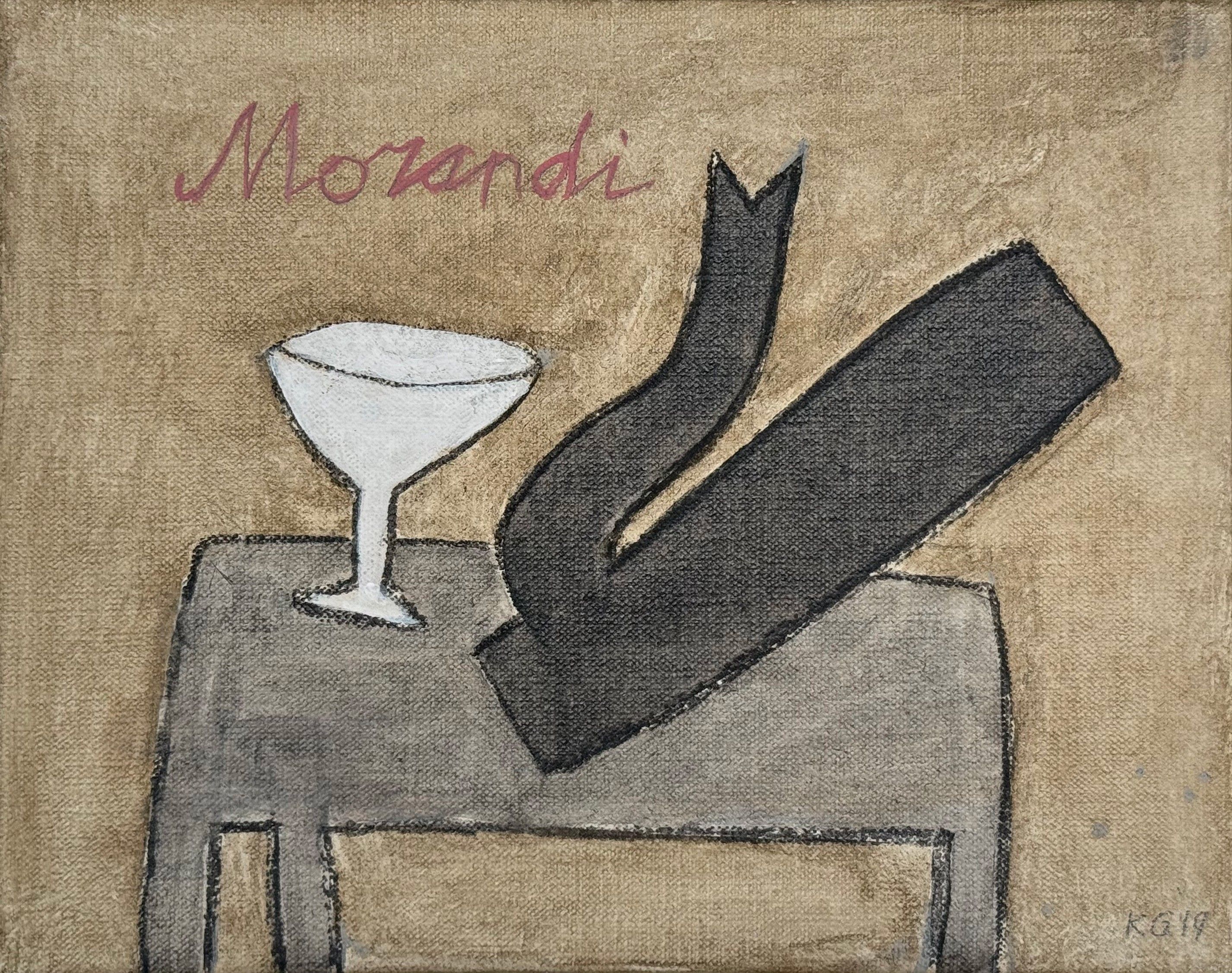
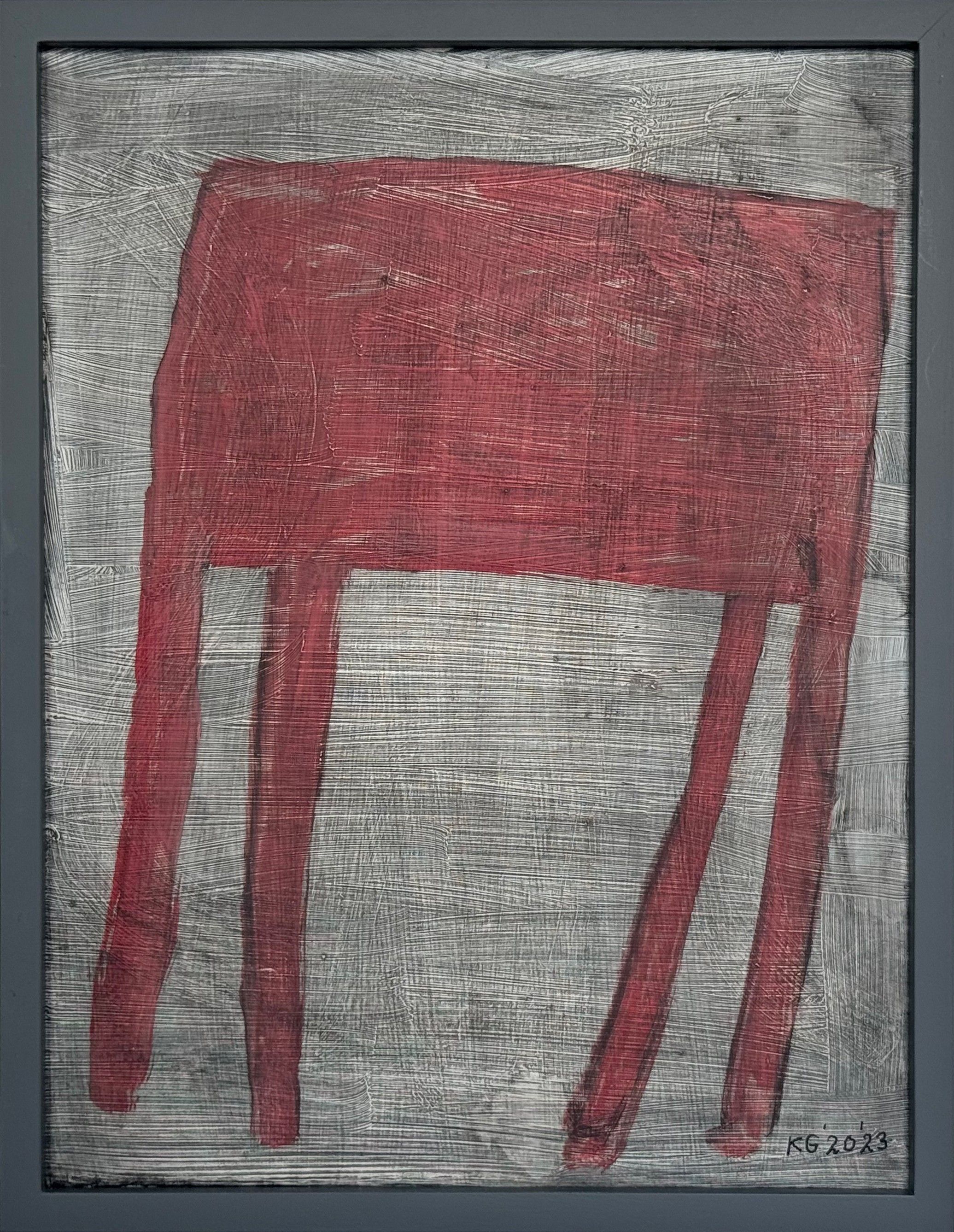
Painting is all about composition, Canada-born American artist Agnes Martin (1912 - 2004) once said. In Gubbels’ works about furniture, he experimented with positive and negative spaces, minimalized colors but emphasized structures. While in other works, Gubbels uses bold, saturated colors, such as in the Three Primary Color and Two Houses, not being shy from making cheerful and uplifting works. His other black and white pieces, White, White, White, Grey and Black Grey, demonstrated how a constraint palette can become a vehicle for iteration, discovery, and attunement.
Gorgeously simple in color and composition, Klaas Gubbels’ paintings have a distinctive grace that sets them apart from those of his contemporaries. They may remind viewers of the work of British artist William Scott (1913 -1989), or explicitly paid respect to Giorgio Morandi (1890 - 1964) or Georg Baselitz (1938 - 2026), but Gubbels undoubtedly has perfected his own style that defies any easy categorization.
Gubbels became a member of Gemeenschap Beeldende Kunstenaars (GBK) in 1963 and has received high recognition in Europe and North America. His painting and sculpture works are collected by institutions such as the Rijksmuseum and the Stedelijk Museum Amsterdam and are also appreciated by several generations of Dutch royal family members. Departing from a Modernist legacy, Klaas Gubbels has successfully built his own visual order, simple, minimal, even modest, but enduring and strong, immediately relevant to today’s world, which has secured his contribution to the art historical narrative.

